01
Politics
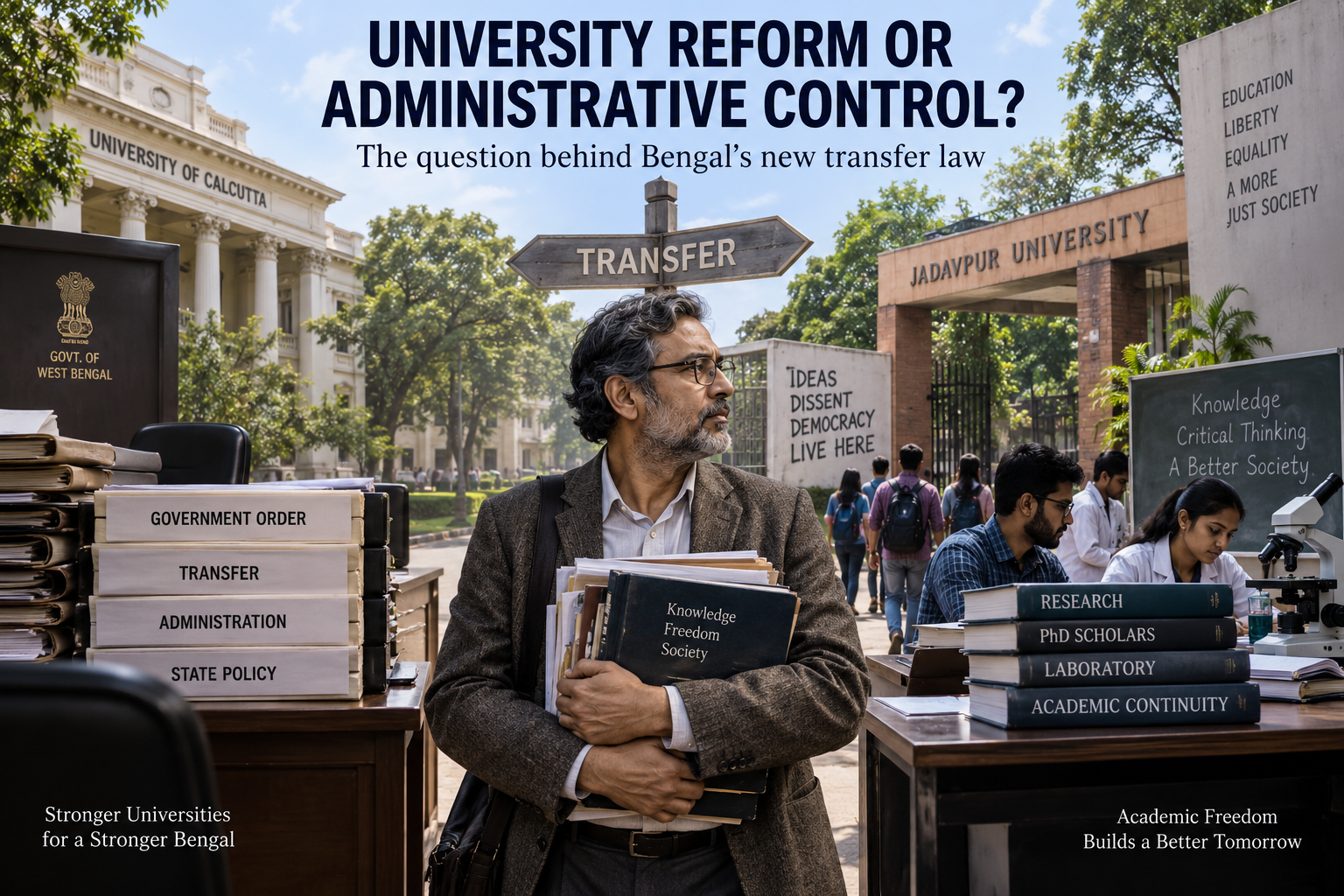
West Bengal says experienced professors should be transferable to newer universities that need them. That objective is defensible. But giving the government power over where university academics work raises a larger question: can administrative efficiency be pursued without turning academic careers into instruments of political control?
Sep 10, 20269 min read
02
Politics
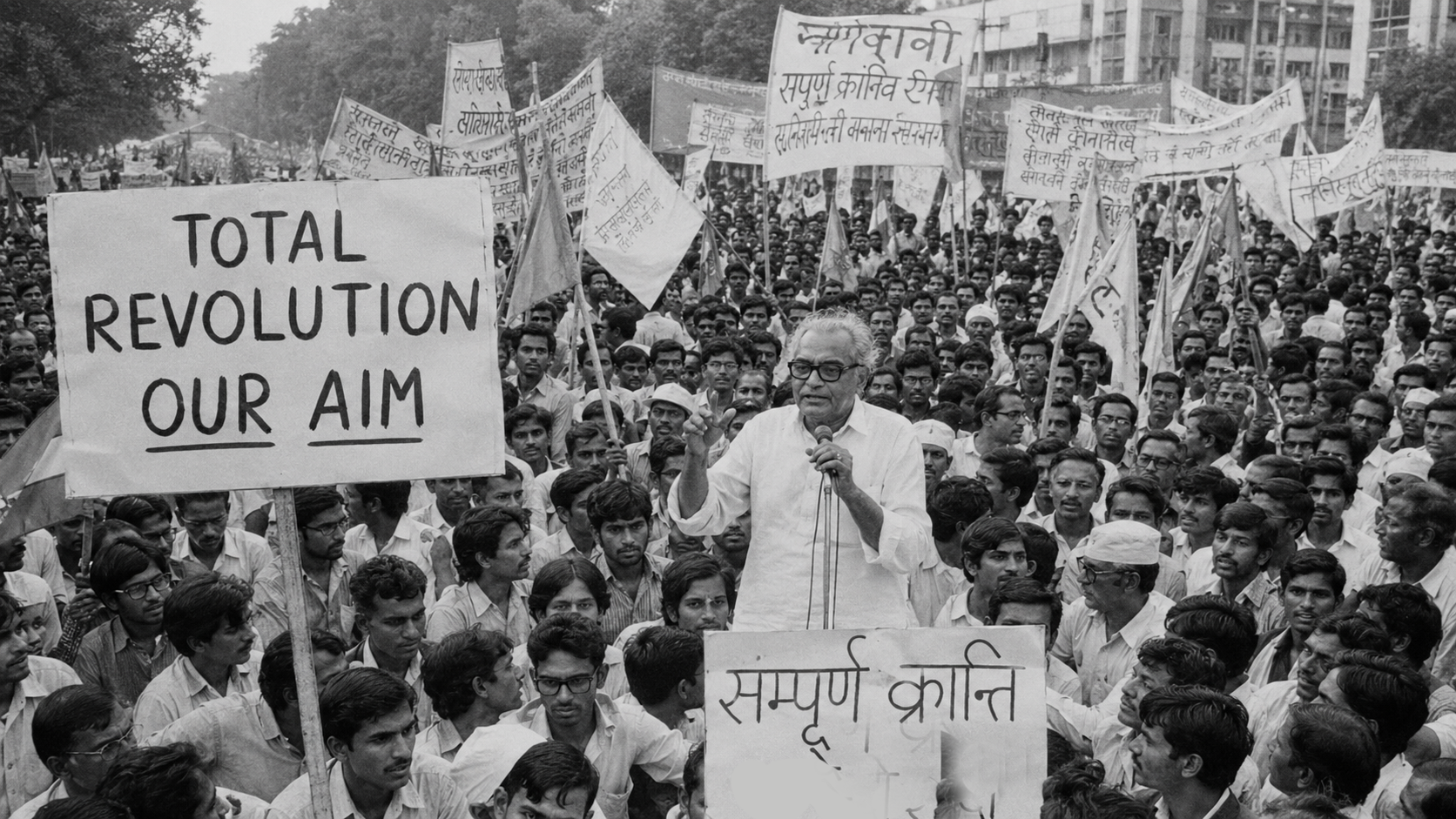
The BJP often portrays student protests as anti-national and undemocratic. Yet its own political rise was deeply rooted in the student movements of the 1970s, from Gujarat's Nav Nirman Andolan to Jayaprakash Narayan's call for Sampoorna Kranti. This article revisits that overlooked history and examines the striking contrast between the protests once celebrated by the Sangh Parivar and the protests it condemns today.
Jul 22, 20268 min read
03
Defense News
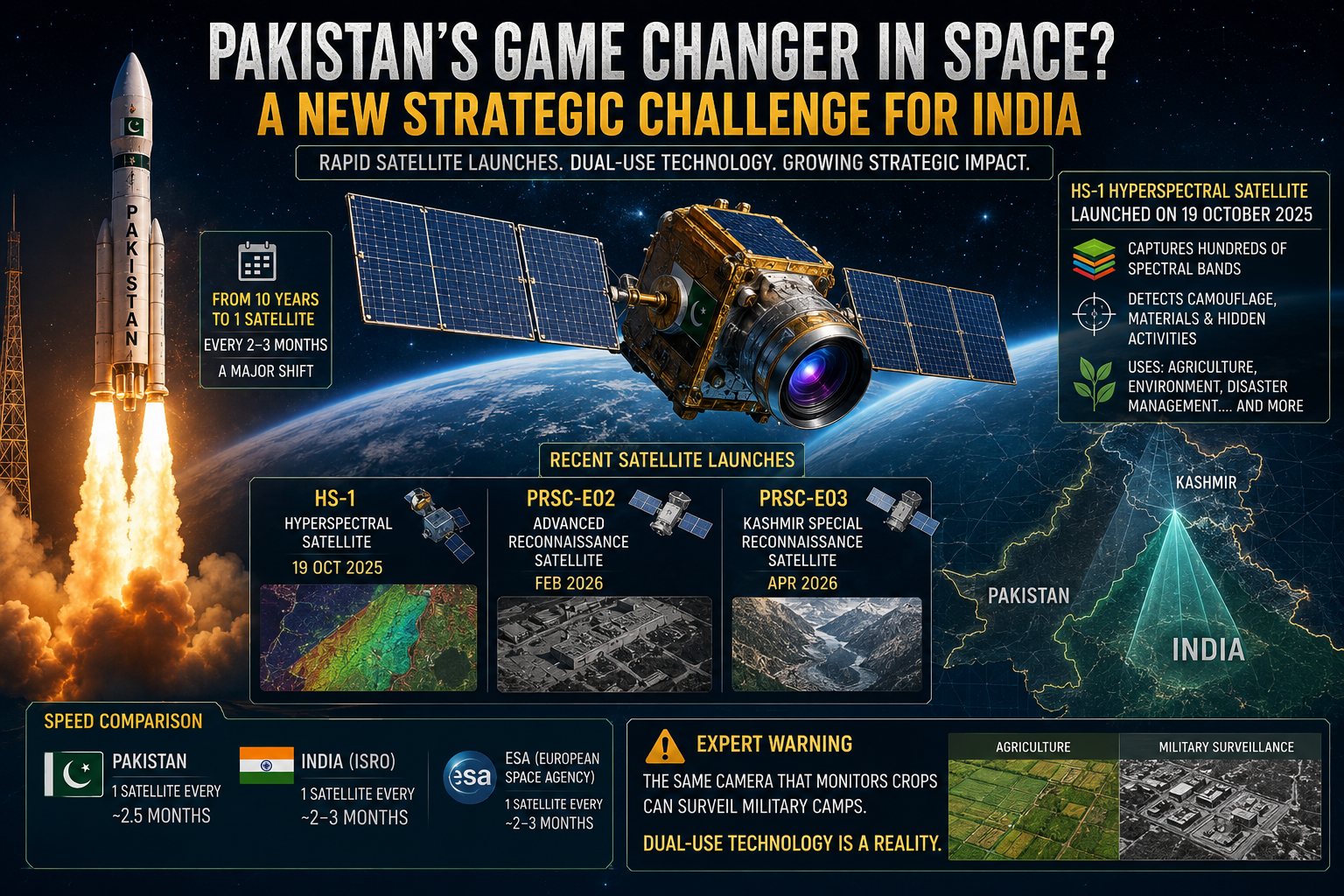
Pakistan's recent surge in satellite launches, including the hyperspectral HS-1 and the PRSC series, has drawn the attention of defence analysts. Although officially presented as civilian Earth observation missions, experts note that such satellites have significant dual-use potential, making them an increasingly important factor in South Asia's evolving strategic and military balance.
Jul 2, 20264 min read
04

Defense News
Pakistan has commissioned a new Hangor class submarine, reviving the name of the vessel that sank INS Khukri in 1971 and claimed the lives of 176 Indian sailors. While India's naval superiority remains unquestioned, the arrival of AIP-equipped submarines, growing Pakistan-Bangladesh defence ties, and delays in India's own conventional submarine modernisation raise important strategic questions for the future of the Bay of Bengal. Written from the perspective of a retired Indian Navy sailor, this article remembers the sacrifice of the men of INS Khukri while examining the changing maritime balance in the region.
Jul 1, 20264 min read
05
Analysis
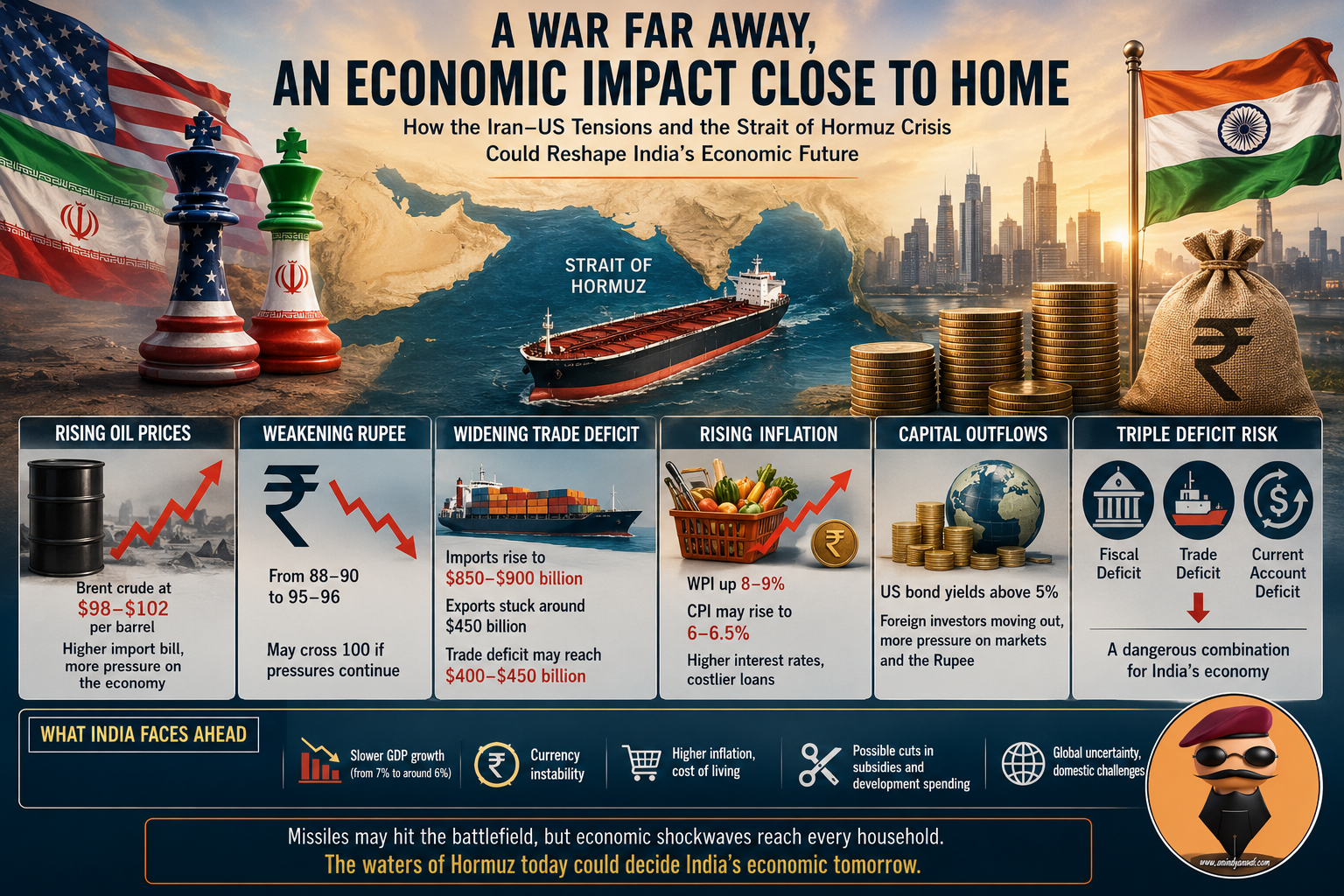
The conflict between Iran and the United States is no longer just a military or geopolitical issue. Its effects are rapidly spreading through global oil markets, trade routes, currencies, and financial systems. As tensions around the Strait of Hormuz continue, India may face one of the biggest economic challenges in recent years. Rising crude oil prices, a weakening Rupee, widening trade deficits, inflationary pressure, capital outflows, and a possible "Triple Deficit Risk" could reshape the country's economic landscape. The battlefield may be thousands of kilometres away, but the economic shockwaves may eventually reach every Indian household.
May 26, 20265 min read
06
Economy
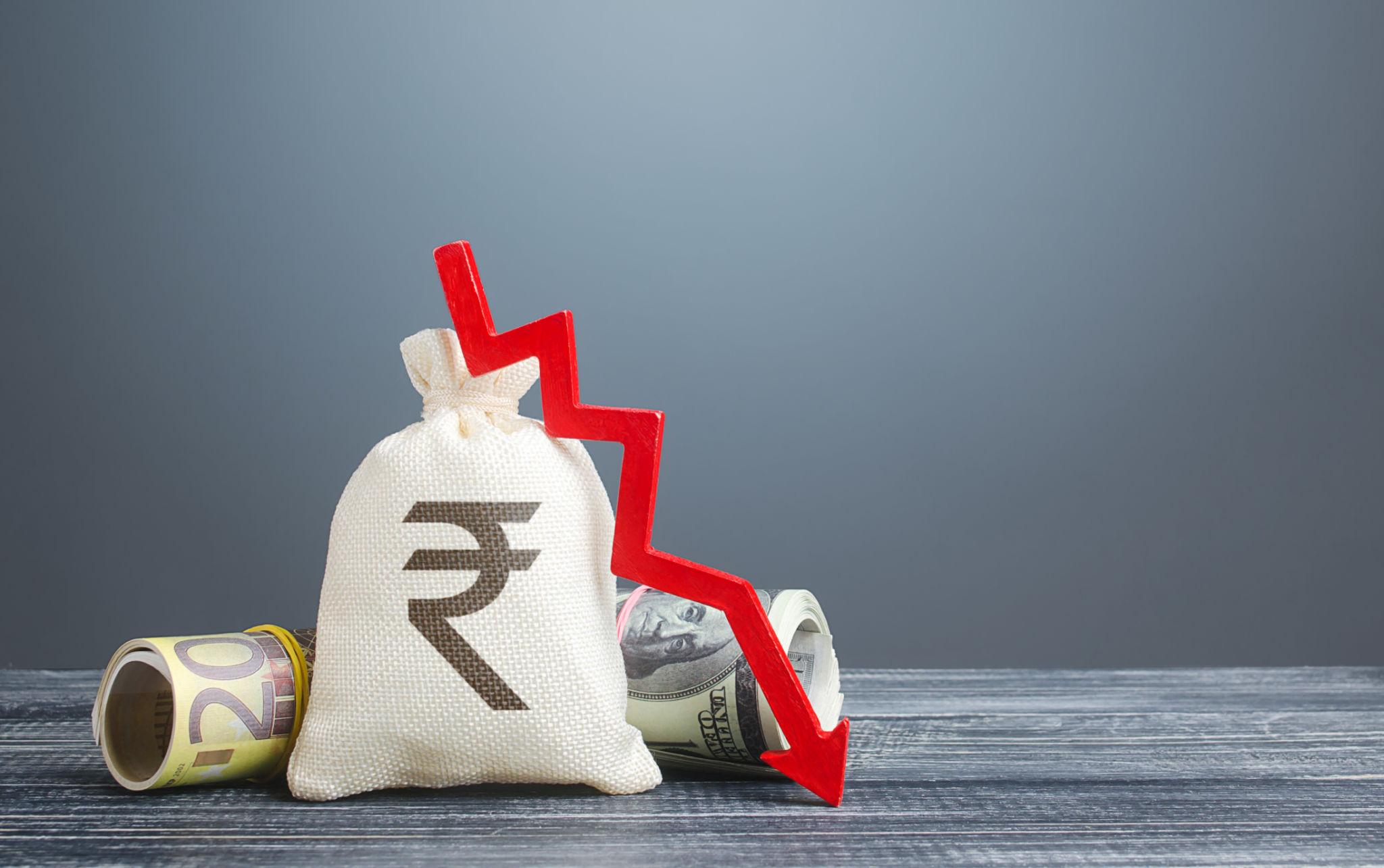
India’s central bank is pulling out one emergency measure after another to defend the rupee, from burning through billions in reserves to shutting down speculative trades and bypassing major dollar demand. The currency’s brief recoveries are not signs of strength but the result of aggressive intervention, raising a deeper question: how long can this defense hold, and at what cost?
Apr 22, 20263 min read
07
Analysis
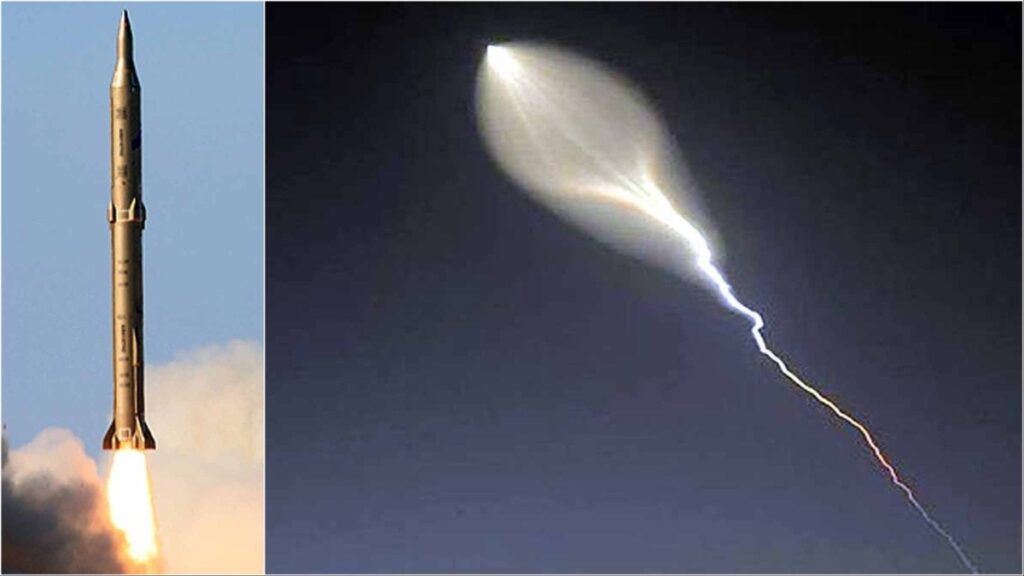
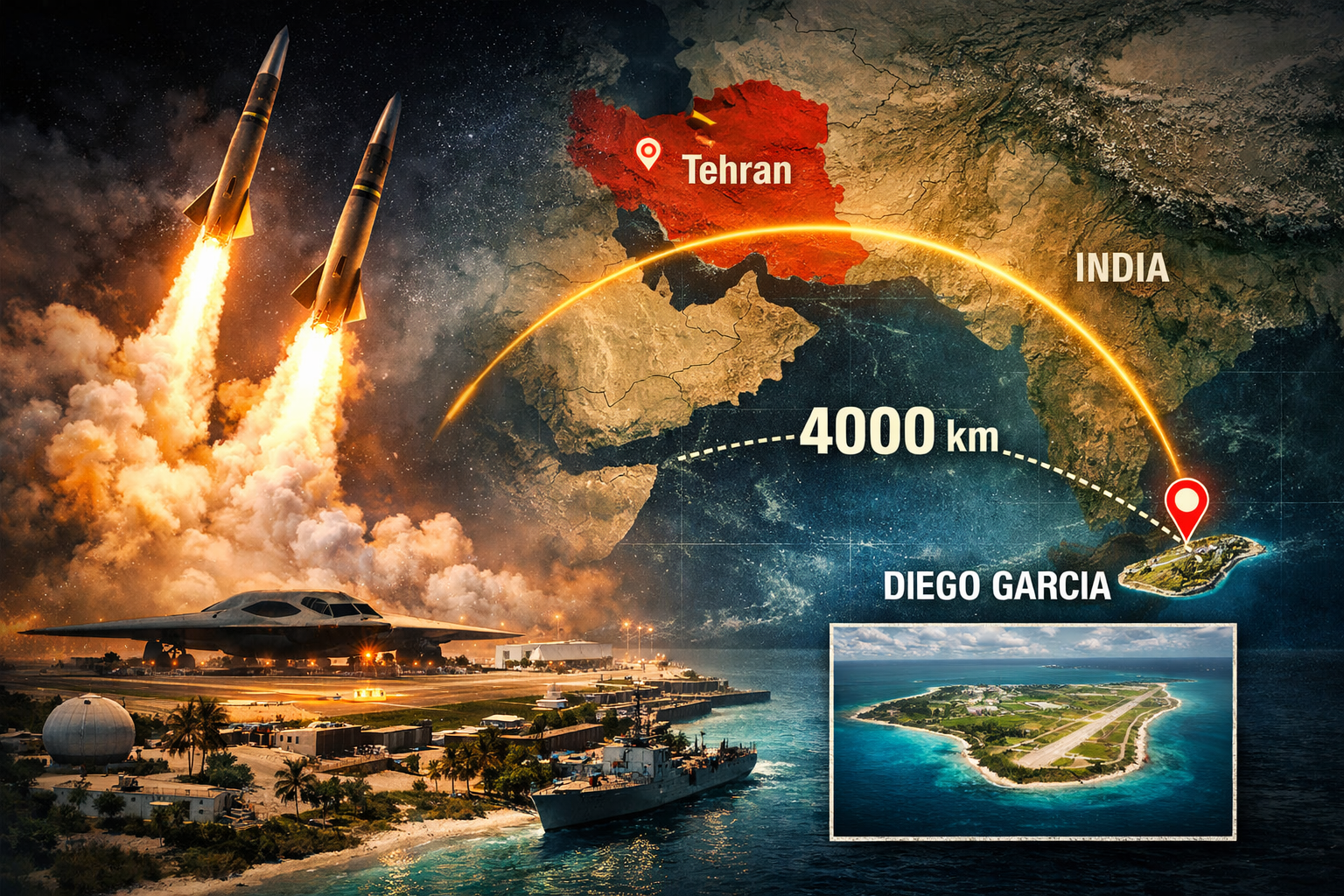
Iran fired two ballistic missiles at Diego Garcia this week, the remote but heavily fortified American military base in the Indian Ocean. Both failed to strike their target. But the real shock was not the attack itself — it was the distance. Tehran had publicly claimed a maximum missile range of 2,000 kilometres. Diego Garcia sits 4,000 kilometres away. In a single strike, Iran quietly rewrote the threat map for every military base, energy hub, and allied installation across the Gulf, South Asia, and Europe. The warheads missed. The warning did not.
Mar 22, 20263 min read
08
Analysis
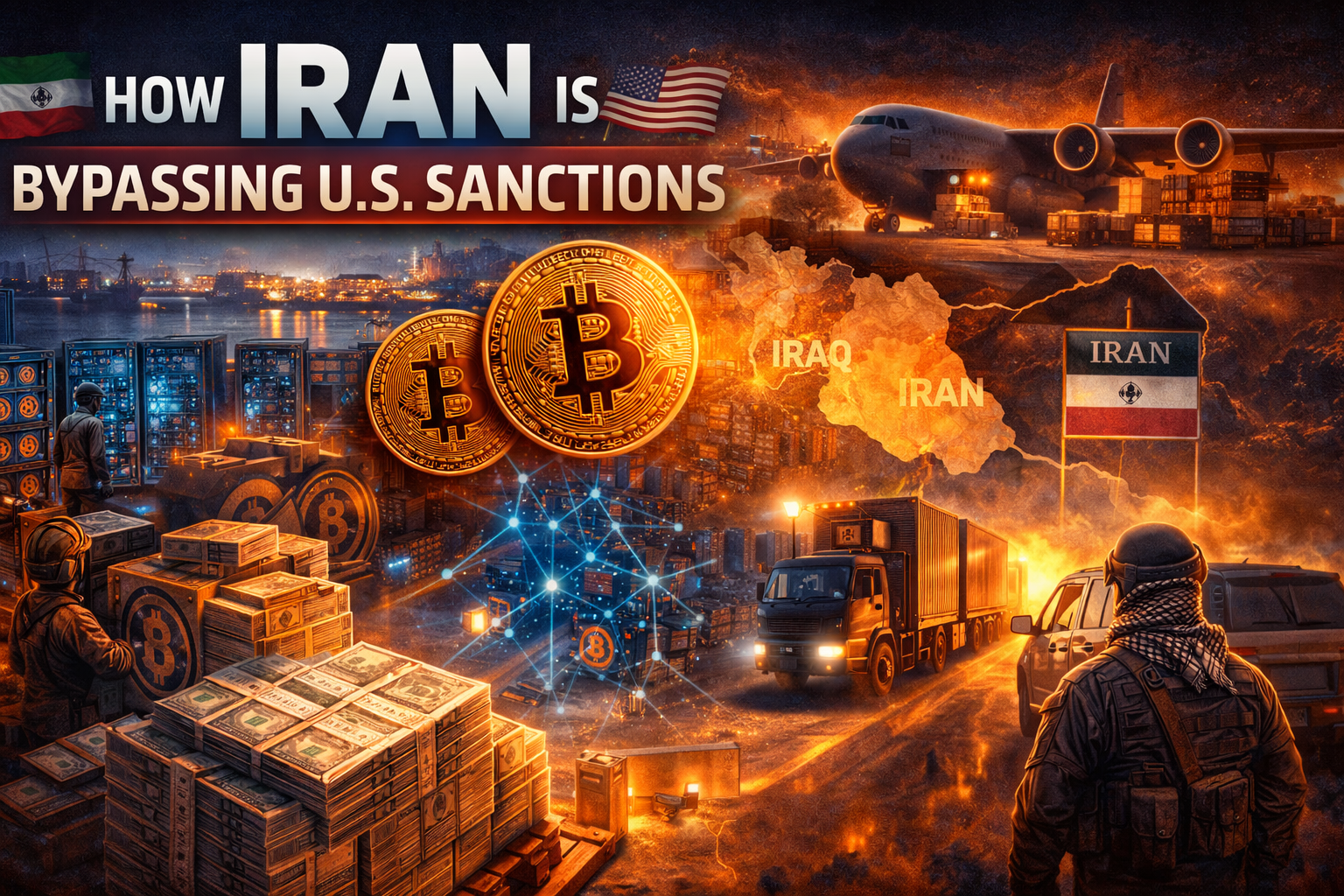
Every single month, the New York Federal Reserve loads billions of dollars in crisp, physical hundred-dollar bills onto military cargo planes and flies them across the world to Baghdad. Washington calls it economic assistance. Tehran calls it a delivery service.
Meanwhile, deep inside Iran, hundreds of thousands of computer servers run twenty-four hours a day, burning gas that no Western buyer is legally allowed to purchase, converting stranded energy into Bitcoin at a cost of $1,300 per coin and selling it on the global market for sixty or seventy thousand dollars. A fifty-times return. The single most profitable energy arbitrage on planet Earth.
The United States built the most sophisticated financial surveillance system in human history. It has sanctioned central banks, blockaded ports, and weaponised the dollar. And yet, the regime it most wants to suffocate is simultaneously mining a sanction-proof digital currency with its own trapped oil and collecting physical American cash through a network of fake invoices at a daily auction in Baghdad.
Washington knows. The CIA has tracked it for a decade. But stopping it would collapse Iraq and hand the entire country to Iranian proxies.
The empire is not being defeated by missiles. It is being bled to death by Bitcoin miners and fake refrigerator invoices.
Read the full analysis below.
Mar 22, 20265 min read
09
Analysis
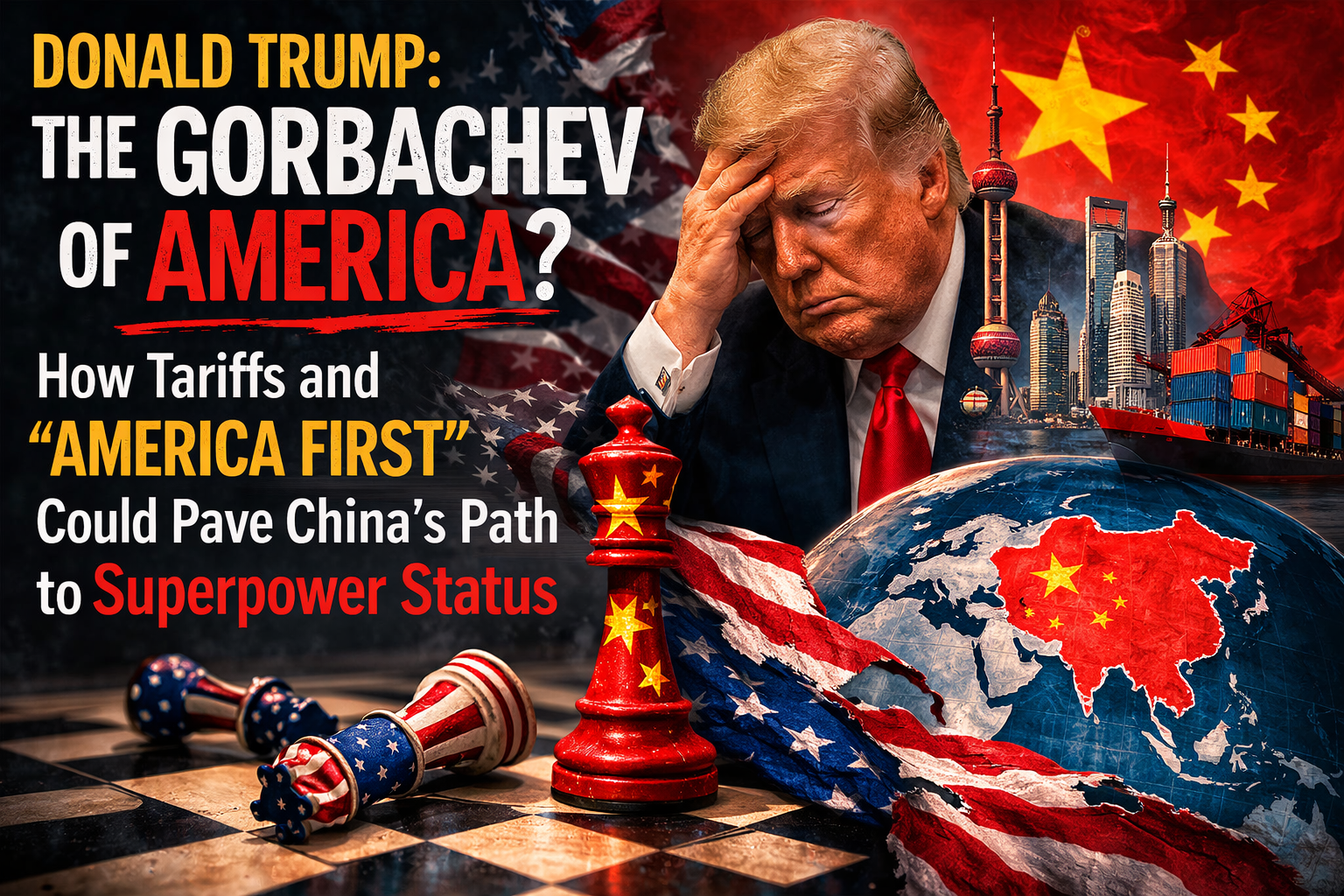
The collapse of the Soviet Union in 1991 is often attributed to Mikhail Gorbachev’s policies of glasnost (openness) and perestroika (restructuring), which, despite their good intentions, inadvertently accelerated systemic weaknesses. Today, Donald Trump’s economic nationalism—particularly his tariff-driven "America First" agenda—risks triggering a similar unravelling for the United States. While Trump’s policies are framed as protecting American jobs and industries, they function more like an "America Only" strategy that isolates the U.S., destabilises its economy, and empowers rivals like China. Trump’s tariffs harm U.S. citizens, benefit foreign producers, and position China to dominate the 21st-century global order.
Mar 9, 20265 min read
12

GeoPolitics
Greenland is no longer a frozen afterthought on the world map. As China tightens its grip on critical minerals and the United States moves to block Beijing’s Arctic ambitions, the world’s largest island has become a frontline in a new great power contest. For India, this quiet struggle in the far north carries urgent lessons about supply chains, strategic autonomy, and the real geography of power.
Jan 20, 20264 min read
13
Opinion
India's reservation system was designed to uplift Hindu castes burdened by centuries of caste-based discrimination, particularly Scheduled Castes (SC) and Other Backward Classes (OBC). However, the inclusion of Muslims and Christians in ST and OBC quotas defies its purpose. These faiths reject caste, yet their communities claim benefits meant for Hindu tribals and backward castes. This erodes the rights of those for whom reservations were created—Dalits and OBC Hindus, enduring historical stigma. Scrapping these inclusions restores fairness, ensuring quotas serve their original intent: justice for caste-affected Hindus, not a faith-based free-for-all. True equity demands this correction.
Sep 22, 20257 min read
14
Analysis
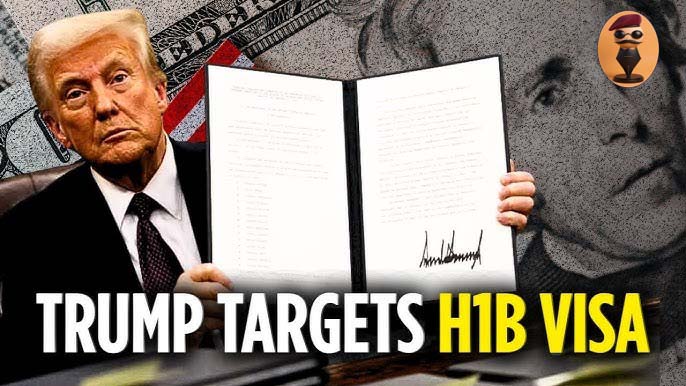
India faces a major shock from the Trump administration’s $100,000 one-time H1B visa fee, up from $2,000–5,000, hitting the IT sector where Indians hold 72% of 320,000 jobs, affecting firms like Amazon and Infosys with higher costs and fewer workers. This threatens $37.5 billion of the $135.4 billion FY25 remittances from the US, vital for Maharashtra and Kerala. The US revocation of the Chabahar Port sanctions waiver on September 29, 2025, risks India’s ₹800 crore trade corridor to Central Asia. Amid diplomatic tensions and US troop moves, a crisis meeting on September 23, 2025, aims to spur reforms and agility.
Sep 21, 20256 min read
15
Business
The bill’s core is simple yet devastating: any country trading with Russia will face a 500% U.S. tariff. If India imports oil from Russia, every Indian export to the U.S. will be hit with a 500% tax, effectively wiping out India’s exports. China, which imports oil, gas, uranium, and rare earth metals from Russia, will also be affected. When Europe stopped buying from Russia, India stepped in, importing crude oil, refining it, and selling it to Europe, easing their energy crisis. But India’s close ties with Russia are increasingly frustrating the U.S.
Sep 13, 20258 min read
16
International
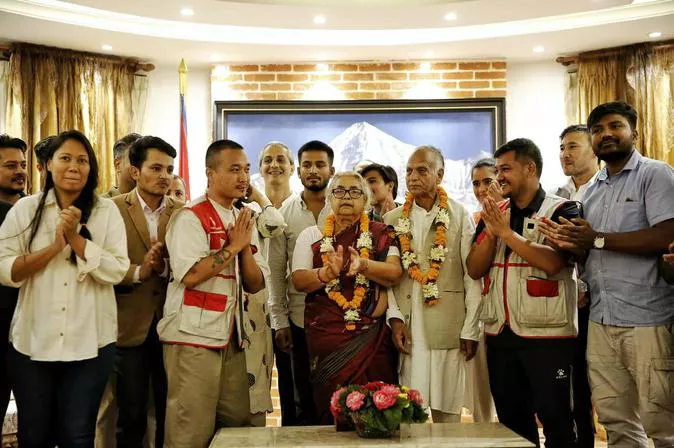
In an extraordinary first for global politics, Nepal has chosen its new Prime Minister, Sushila Karki, by a vote on Discord—an event propelled by Gen Z activism following mass protests and social media bans. With over 130,000 young citizens casting digital ballots, Karki, a revered former chief justice, now leads the nation as its first woman Prime Minister. This political “internet-native revolution” signals a new era of youth-driven democracy and technological empowerment in South Asia.
Sep 13, 20253 min read
17
Analysis
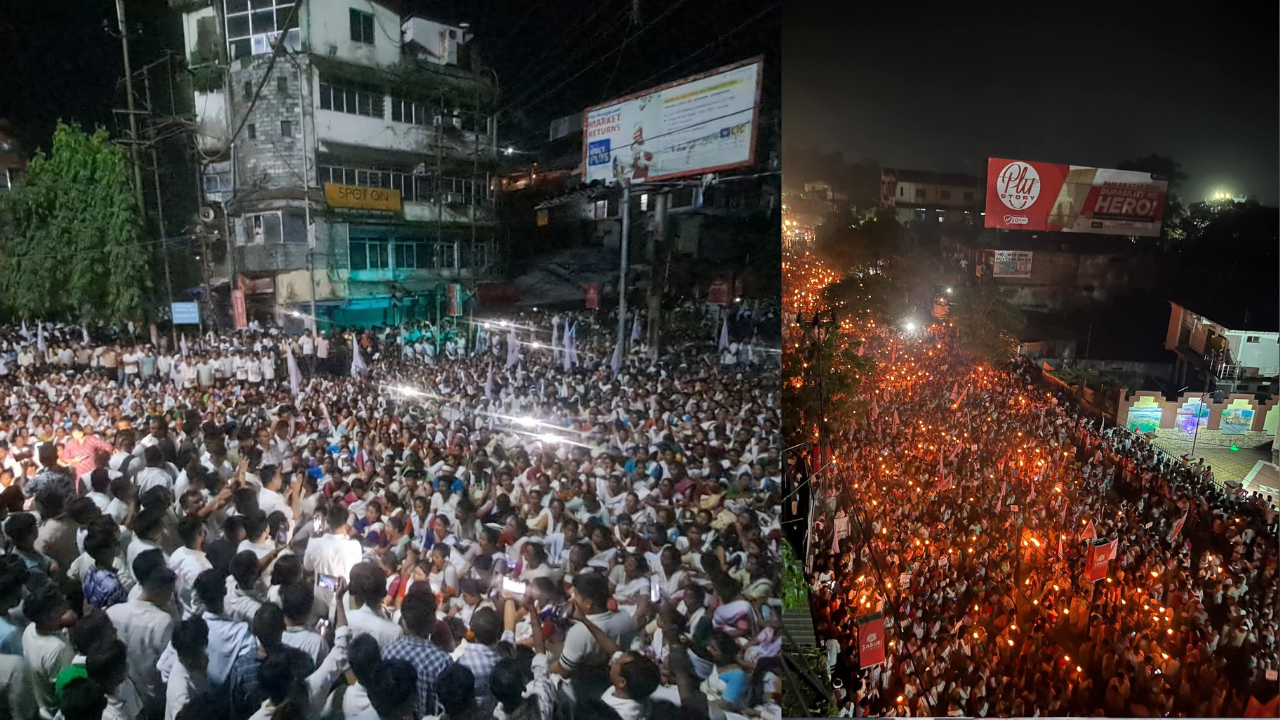
In early September 2025, thousands of students from Assam's Koch, Rajbanshi, and Moran communities took to the streets in Tinsukia and Dhubri, demanding long-promised Scheduled Tribe (ST) status and greater autonomy. Their protests, marked by torchlight processions and a district-wide bandh, were met with police lathi-charges, leaving many injured and sparking outrage. Despite decades of unfulfilled government promises and a conspicuous silence from mainstream media, the resolve of these indigenous groups remains unshaken. With Prime Minister Modi's visit looming, the call for ST status, a separate Kamatapur state, and Sixth Schedule inclusion grows louder, exposing deep-seated frustrations and a broader national pattern of suppressing youth dissent.
Sep 12, 20255 min read
18
Analysis
The Special Intensive Revision (SIR) of voter rolls and the One Nation One Election (ONOE) proposal continue to stir controversy. As of July 13, 2025, with Bihar's SIR exercise nearing its July 25 deadline amid legal challenges, discussions have intensified about a potential nationwide rollout. Critics argue this could enable election delays, citing incomplete processes as a pretext to postpone polls in states nearing their terms and advance them in others. Meanwhile, ONOE faces scrutiny for its handling of contingencies like legislator deaths or coalition breakdowns. Adding a layer of intrigue is the speculative narrative that ONOE could serve as a "rehabilitation" mechanism for Prime Minister Narendra Modi, potentially paving the way for his transition to the presidency amid age-related retirement debates.
Sep 12, 20254 min read
21
Analysis
Traoré’s journey is a testament to courage and conviction. His leadership, rooted in humility and service, is a beacon for Burkina Faso and Africa. While risks remain—foreign plots, security threats, and political tensions—Traoré’s impact is undeniable. Burkina Faso is stronger, more independent, and more hopeful than it was two years ago. If his example inspires others, the future of African leadership could be transformative, paving the way for a continent where the people come first.
Jun 14, 202512 min read
22
Analysis
It’s been over two days since Air India Flight 171, a Boeing 787 Dreamliner, crashed in Ahmedabad, India, on June 12, 2025. This was the first ever crash of a 787 and the first major widebody aircraft crash in over a decade. The flight took off from Ahmedabad’s Sardar Vallabhbhai Patel International Airport, runway 23, bound for London Gatwick with 242 people on board. Tragically, just 30 seconds after takeoff, the plane lost altitude and crashed into a hostel near the city, killing all but one passenger and many on the ground. The latest reports confirm a death toll of 274, making it one of the deadliest aviation disasters in recent years.
Jun 14, 202510 min read
33
Analysis
Recent trade policies implemented by President Trump have significant implications for both America and its global relationships. These policies include tariffs on Canada, China, and Mexico, as well as stopping military aid to Ukraine. This article examines how these decisions are affecting powerful American business interests and reshaping global dynamics in what appears to be an internal power struggle within America's elite circles.
Mar 5, 20255 min read
34
Analysis
Donald Trump has been trying to position himself as the world's dominant leader, but recent events suggest he may have overplayed his hand. His aggressive diplomatic approach has backfired, particularly regarding Ukraine and European relations.
Mar 3, 20258 min read
37
Analysis
European Commission President Ursula von der Leyen met with Indian Prime Minister Narendra Modi in New Delhi last week, signaling a new phase in Brussels’ approach to sanctions and trade amid rising U.S. tariff threats.
Feb 28, 20255 min read
48
Analysis
Swarajyam emerges as a response to the limitations and failures of existing political‑economic systems—capitalism, socialism, and communism. Although these traditional ideologies have shaped modern history, each has demonstrated significant shortcomings in addressing contemporary challenges. They correctly identify issues such as inequality, economic crises, and wealth concentration under capitalism, and suppression of freedoms and political instability under communism. Yet both fall short, suggesting the need for a balanced alternative
Sep 24, 202411 min read
51
Analysis
In the next few paragraphs, I will lay out a minute-by-minute, year-by-year, date-by-date account for you that may shock you. Names like Peter Haas, Donald Lu, and Yunus Khan will appear in this story. Additionally, St. Martin Island in Bangladesh plays a crucial role. You will understand everything, step by step.
Aug 9, 20247 min read
52
Analysis
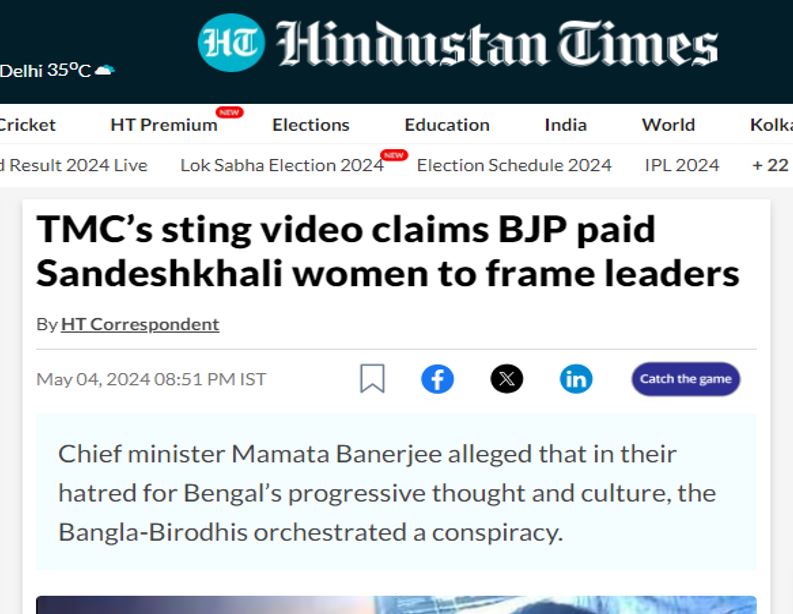
Sandeshkhali's tranquility shattered by heinous crimes. Arrest of Sheikh Shahajahan by ED reveals political manipulation, with events dating back to 2021, exploited by BJP for future gain. Fabricated cases and raids serve partisan agendas, obscuring the plight of victims. As dust settles, imperative to confront reality beyond political expediency. Justice must prevail over opportunism to honor the resilience of those who suffered.
May 11, 20244 min read
53
Analysis
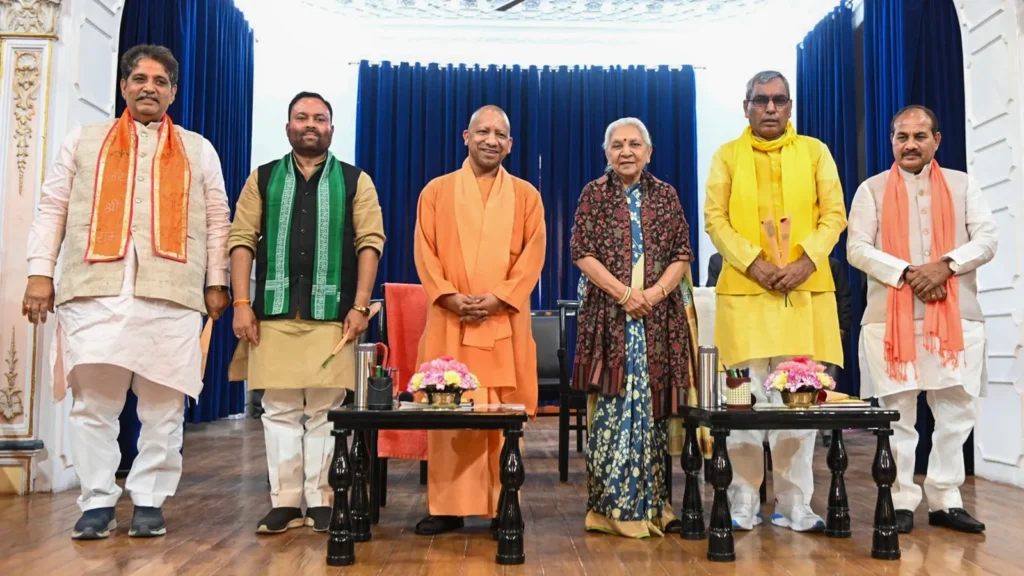
The next election is very important, not just because of the usual bluster that goes along with elections, but also because of the calculated moves that the Bharatiya Janata Party (BJP) is making. The way the party is handling the upcoming election, especially in Uttar Pradesh, needs careful scrutiny. Due to its affiliation with Ayodhya and its 80 parliamentary seats, Uttar Pradesh, with its constantly changing political environment, acts as a battleground for India's coalition politics. We explore the BJP's approach in Uttar Pradesh and the recent enlargement of its cabinet in the state, providing insight into how this could affect the next elections.
Mar 6, 20244 min read
54
Analysis
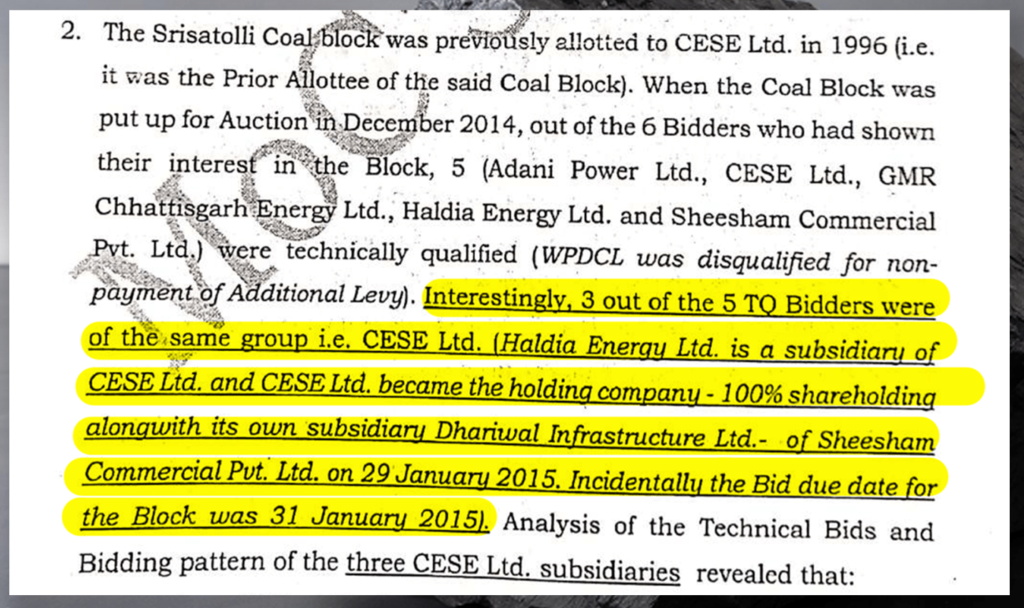
The revelation of collusion between private entities, particularly the RP Sanjiv Goenka Group, and governmental bodies adds a sinister dimension to the coal block allocation saga. The clandestine maneuvers employed to rig auctions and manipulate bidding processes lay bare the nexus between vested interests and administrative machinery. The modus operandi adopted by these entities, including bid secrecy breaches and monopolistic practices, further erodes the credibility of the allocation process, casting a shadow of doubt on the sanctity of governmental institutions.
Mar 5, 20245 min read
55
Analysis
This article delves deeper into the rationale behind the proposal of Five-Day-Banking by highlighting the potential consequences of both implementing and not implementing the five-day work week. It explores the potential positive impact on employee well-being and its correlation with productivity and efficiency, while acknowledging potential challenges and proposing solutions to address them.
Feb 28, 20244 min read
59
Analysis
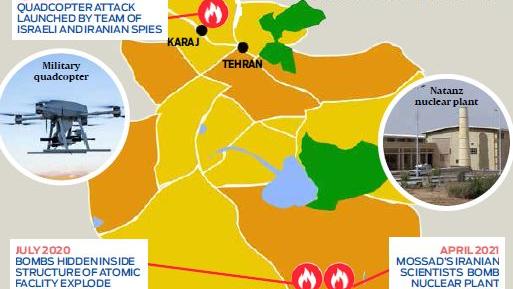
On October 7, 2023, Israel experienced shocking terrorist attacks that caught the world's attention. Mossad's failure in preventing these attacks served as a global wake-up call. Despite its substantial budget and workforce, Mossad couldn't anticipate the well-planned attack that left hundreds dead. This article delves into the events leading up to the attack, highlighting the deception, coordination, and challenges faced by Israeli intelligence. It also touches on the political climate in Israel, where turmoil provided cover for Hamas's preparations. The article concludes with a sobering outlook on the conflict's potential escalation and the hope for peace.
Oct 10, 20236 min read
62
Analysis
The Crown Prince of Saudi Arabia Mohammad Bin Salman has been doing some reforms in the extreme religious regulations maintained by the country. Political analysts are marking it as Liberalism of the Prince whereas this is purely a fight for existence of Saudi Arabia in near future when the world shifts from oil consumption to renewable energy usage. An Analysis
Mar 20, 20239 min read
67
Analysis
Bihar politics has turned around 360 degrees in the last 24 hours. Nitish Kumar has ditched the NDA alliance and resigned as the CM of Bihar. What is the future of Bihar and what will be its impact on 2024 General Elections
Aug 9, 20226 min read
68
Analysis
Protests are spreading against the banks. People are getting sick of the Government's incompetence. The CCP is so afraid that it has brought out tanks to maintain stability. 2022 is not being kind to the Chinese economy.
Aug 6, 20226 min read
76
Business
India has exported goods worth more than $100 billion in last quarter, that is 720,000 crores in Indian Rupees. In the last six months, India has exported goods worth so much as the economy of the whole of Pakistan. That means in one year India sells two Pakistans. This will increase in the coming days. India would sell 3-4 Pakistans in a year very soon.
Oct 7, 20213 min read
80
Analysis
India needs nuclear reactor technology for attack submarines. US & UK won't give it to India. France may be an option amidst AUKUS fiasco.
Sep 24, 20215 min read