The RBI's Rupee Defense: What's Really Going On
India's central bank, the Reserve Bank of India (RBI), is rapidly running out of tools to stop the rupee from falling. In just one month, it spent over 40 billion dollars trying to hold the currency up. And despite what some media outlets are calling a "masterstroke," a closer look at the timeline tells a very different story.
The rupee has been falling throughout the year. It has hit record lows and has become the worst-performing currency in Asia. The RBI's job, in simple terms, is to prevent the rupee from collapsing. Here is exactly how they have been trying to do that, step by step.
Step One: Spending the War Chest
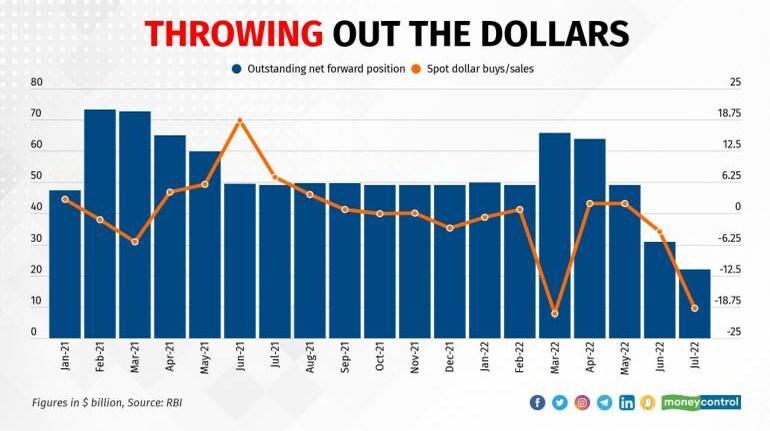
Back in February, India's foreign exchange reserves were at an all-time high of 728 billion dollars. The RBI started using those reserves to defend the rupee the old-fashioned way: selling dollars to create artificial demand for the rupee and keep its value stable. By the end of March, the reserves had dropped to 688 billion dollars. That means 40 billion dollars were burned through in just about six weeks.
Step Two: Shutting Down the Betting Window
When the rupee crossed the 84 level and kept falling, the RBI escalated. On April 10th, it barred banks from offering something called "offshore rupee derivatives." In plain terms, these are financial contracts that traders use to bet on which direction the rupee will move, and many banks were actively betting that it would fall further. The RBI simply closed that door and cut off the speculative pressure. It worked, but only for about a week.
Step Three: Bypassing the Biggest Dollar Buyer
This past Thursday, the RBI took its most drastic step yet. India's three biggest oil marketing companies, the ones that import crude oil for the country, need somewhere between 12 and 15 billion dollars every single month to pay for that oil. That makes them the largest source of dollar demand in India's entire economy. When these companies buy dollars in the open market, it pushes the rupee down. So the RBI told them to stop doing that. Instead, the RBI will now supply those dollars to these companies directly through a special credit line, bypassing the open market entirely. This same emergency line was used during the 2013 taper tantrum crisis, the 2020 pandemic, and the 2022 Ukraine war shock.
What This Timeline Actually Tells You
Here is the part the headlines are missing. In the space of six weeks, the RBI has pulled out three separate emergency tools, each one bigger and more drastic than the one before it. First came direct dollar selling. When that was not enough, they shut down speculative trading. When that was not enough, they removed the largest dollar buyer from the open market completely. Every single escalation is an admission that the previous measure did not fully work.
The rupee is not standing on its own strength right now. It is being propped up by the RBI through repeated intervention. And every intervention comes at a cost.
The Real Price of a Brief Recovery
Every dollar the RBI spends defending the rupee today is a dollar that will not be available when the next crisis hits, whether that is a global financial shock, a sudden oil price spike, or a geopolitical event. Every emergency credit line activated now is one less option available in the future. India's foreign exchange reserves are not unlimited, and the insurance is getting thinner with each passing week.
So when the rupee recovers by 25 paise on a Friday and it gets celebrated as a masterstroke, remember what that 25 paise actually cost. Nobody is adding that to the bill right now, but the bill is very much being written.



Discussion