
The Hindu
Anindya Nandi: Independent News, Opinion and Analysis
Latest News
India Cyclone ‘Arnab’ LIVE updates | IMD raises wind forecast to 150 kmph gusts; landfall near Yanam; 61 trains cancelled - The HinduIndia Israel’s election: The main issues in the words of the leading candidates - Al JazeeraIndia All SIR Decisions Unanimously Taken; Form 6 Not Amended : ECI Tells Supreme Court - Live LawIndia ‘Brazil is no one’s backyard’: Lula's jibe at US after winning fourth presidential term - The Times of IndiaIndia 5 Shot Dead At Guwahati Hotel After Dispute Between Owner, Leaseholder - NDTVIndia Rahul Gandhi Tells Traders How To End Ramlila Maidan Protest In '30 Seconds' - NDTVIndia 'Shouldn't be an instrument of narrow political expediency': India calls for veto powers for all UN Security Council members amid reform push | India News - Hindustan TimesIndia Supreme Court Collegium Recommends Elevation Of 4 Judges As High Court Chief Justices - Live LawIndia 17 remand prisoners escape from sub-jail in Theni district; combing operations lead to arrest of four: IGP - The HinduIndia Arson Near Kochi Synagogue Was "Test Run" For Multi-State Terror Plots: Cops - NDTV
Live desk
LiveLatest Headlines
Al Jazeera
Israel’s election: The main issues in the words of the leading candidates - Al Jazeera
Live Law
All SIR Decisions Unanimously Taken; Form 6 Not Amended : ECI Tells Supreme Court - Live Law
The Times of India
‘Brazil is no one’s backyard’: Lula's jibe at US after winning fourth presidential term - The Times of India
NDTV
5 Shot Dead At Guwahati Hotel After Dispute Between Owner, Leaseholder - NDTV
NDTV
Rahul Gandhi Tells Traders How To End Ramlila Maidan Protest In '30 Seconds' - NDTV
Politics
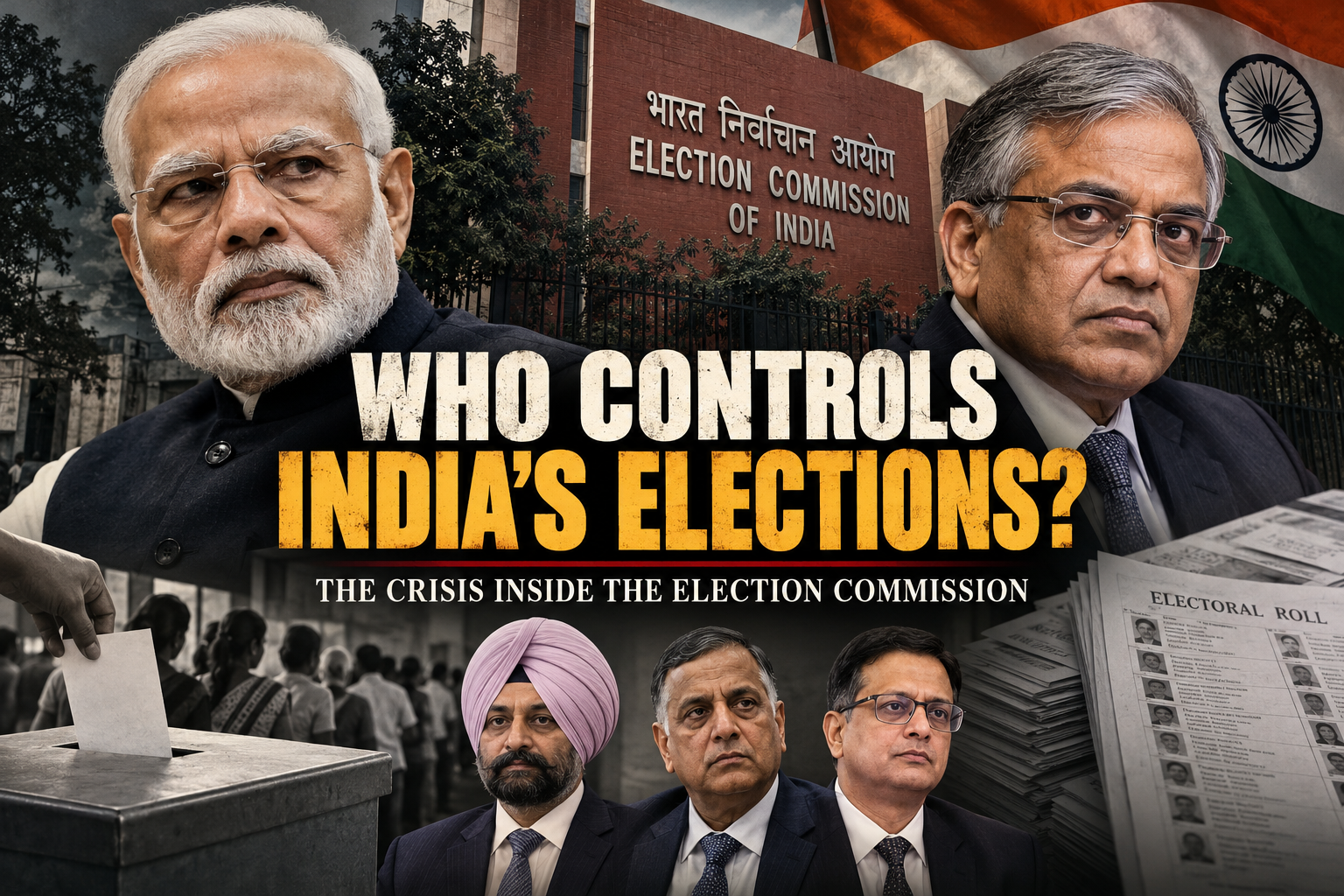
How Modi and Gyanesh Kumar Undermined India's Election Commission
The Story Behind the Crisis of Electoral Democracy
From Ashok Lavasa's dissent and the controversial appointment of election commissioners to voter-roll deletions, secretive decisions and the reported revolt within the Election Commission, the story of how India's electoral watchdog has been losing public trust.
Latest
View full archive →Latest Writing
Forgotten Heroes
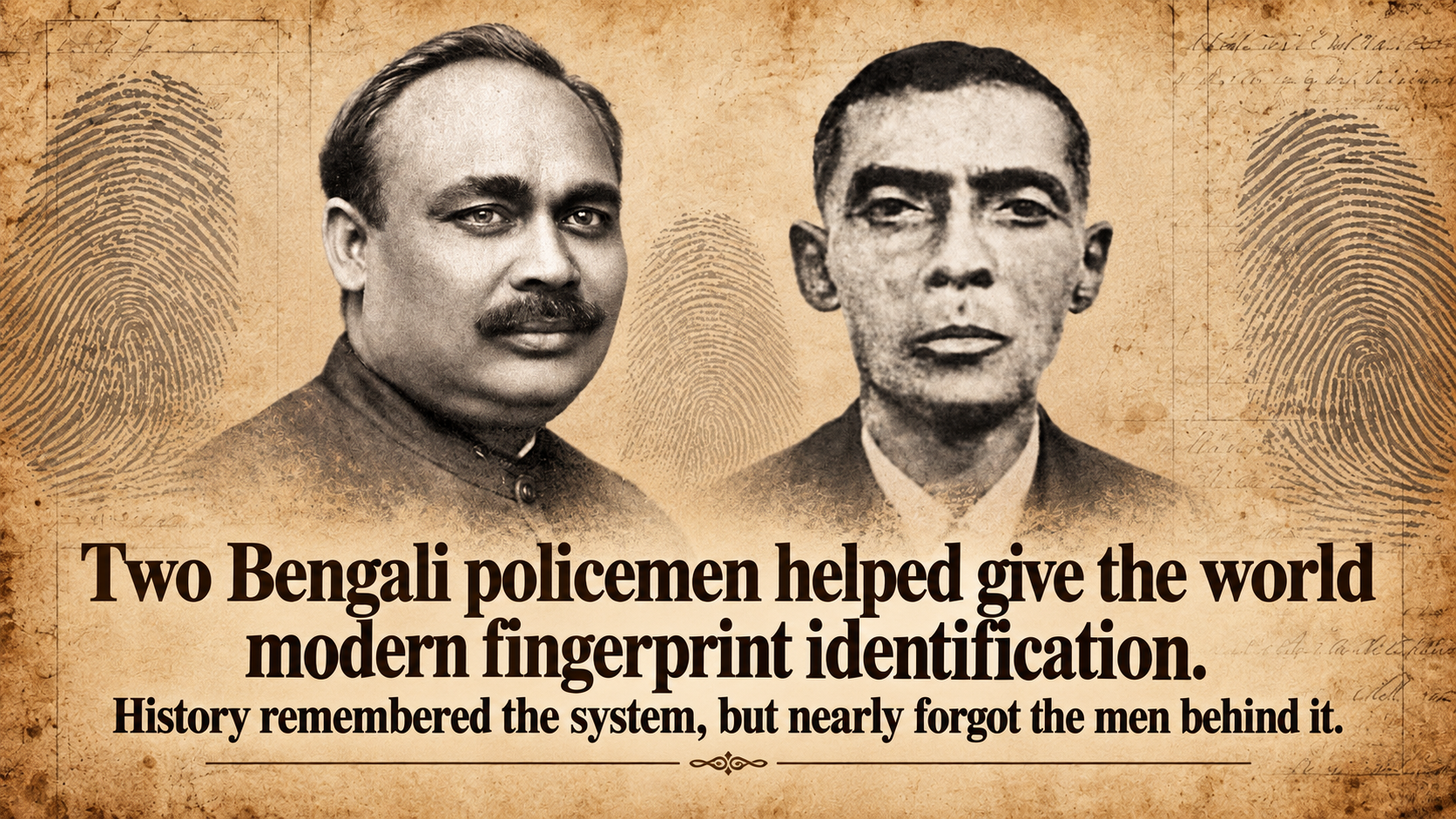
The Fingerprints That Identified the World, and the Indian Names History Nearly Erased
Qazi Azizul Haque and Hem Chandra Bose helped create the fingerprint classification system that transformed criminal identification worldwide. Yet the system carried the name of their British superior. Haque had to petition the colonial government for recognition, while Bose was critically ill and in financial distress when his ₹5,000 honorarium was still being processed. They built a system to ensure identities could never be lost. History nearly lost theirs.

Uncategorized
Anindya World View: Seeing the World Through Live Open Data
Anindya World View transforms publicly available global data into an interactive three-dimensional experience. Explore aircraft, ships, weather, earthquakes, active fires, space missions, radio, mapped locations and other live context from one globe, with Arka integrated as an AI-assisted voice interface.
National
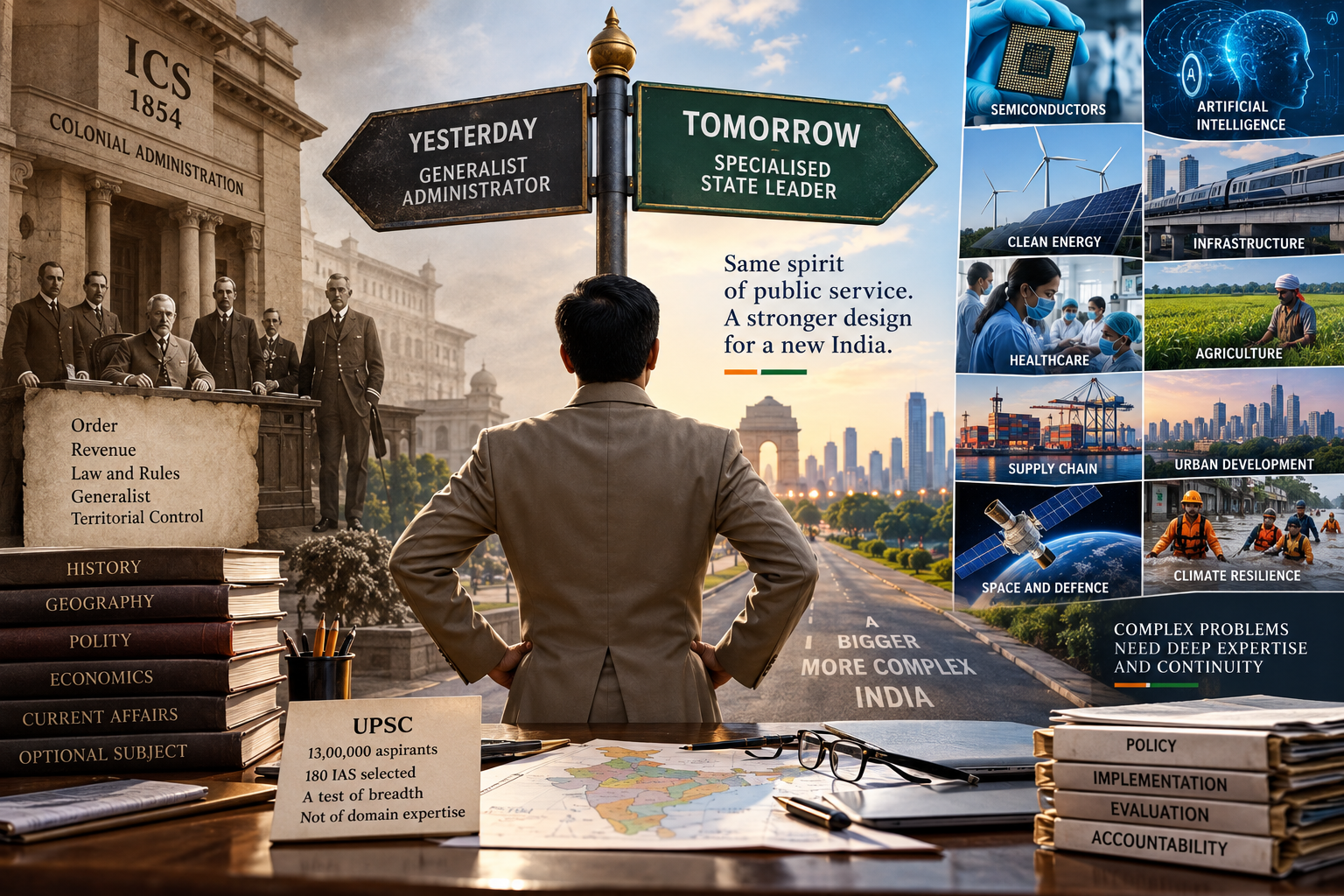
Is the IAS Still Designed for the India It Now Governs?
India's IAS was built around the idea of the brilliant generalist administrator. But governing a technologically complex modern economy increasingly demands deep expertise, institutional memory and continuity. The question is not whether India needs the IAS, but what the IAS must become.
Analysis
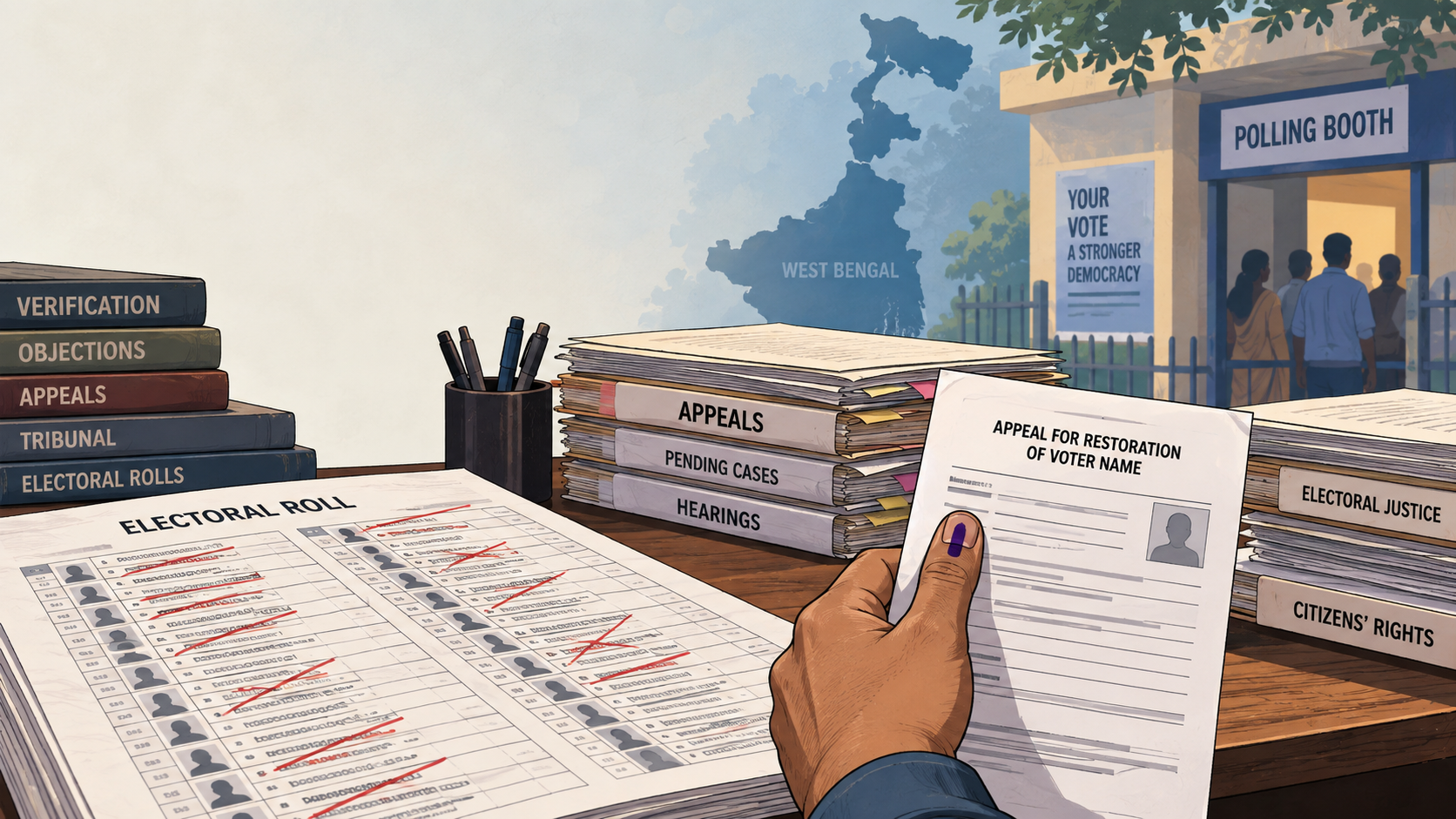
22 Lakh Deleted Bengal Voters Appealed. The Democratic Question Is What Happened Before They Could Vote
The Election Commission has told the Supreme Court that 22.21 lakh of the 27.16 lakh West Bengal electors deleted through SIR adjudication have appealed for restoration. The figure does not prove that the deletions were wrongful, but the huge backlog and the timing of the appellate process raise an important question about electoral due process: what happens when a voter's eligibility is restored only after the election is over?
Business
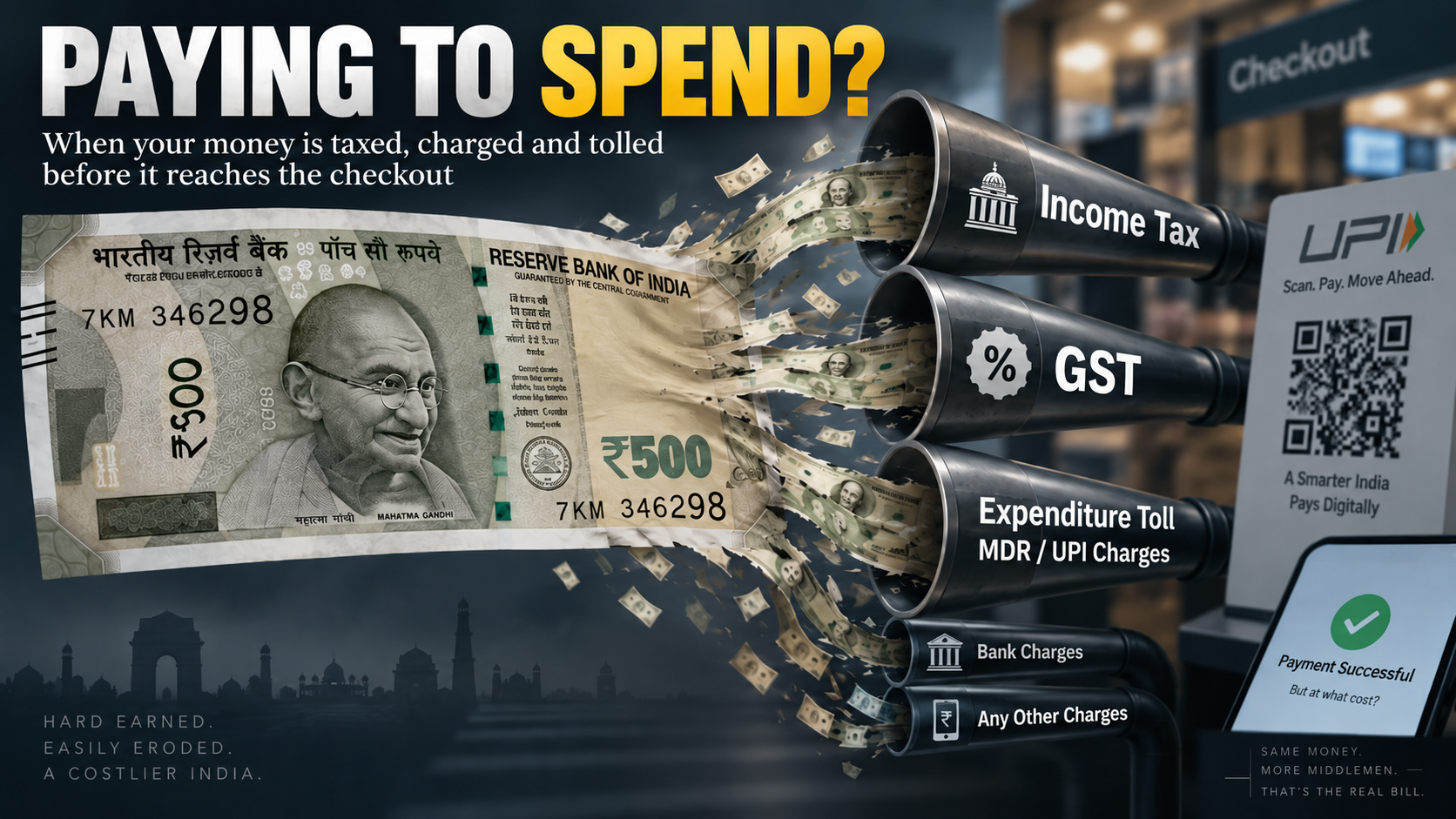
UPI Was Built as Digital Cash. Turning It Into a Toll Road Risks Breaking the Model
UPI became successful because it made digital payments simple, instant and effectively free for ordinary users and merchants. The proposed MDR on higher-value merchant transactions changes that equation. This article examines why comparing UPI with credit cards is misleading, how merchant charges can eventually reach consumers, why cash transactions may rise again, and whether introducing an "expenditure toll" makes sense when banks, RBI and NPCI remain highly profitable overall.
Politics
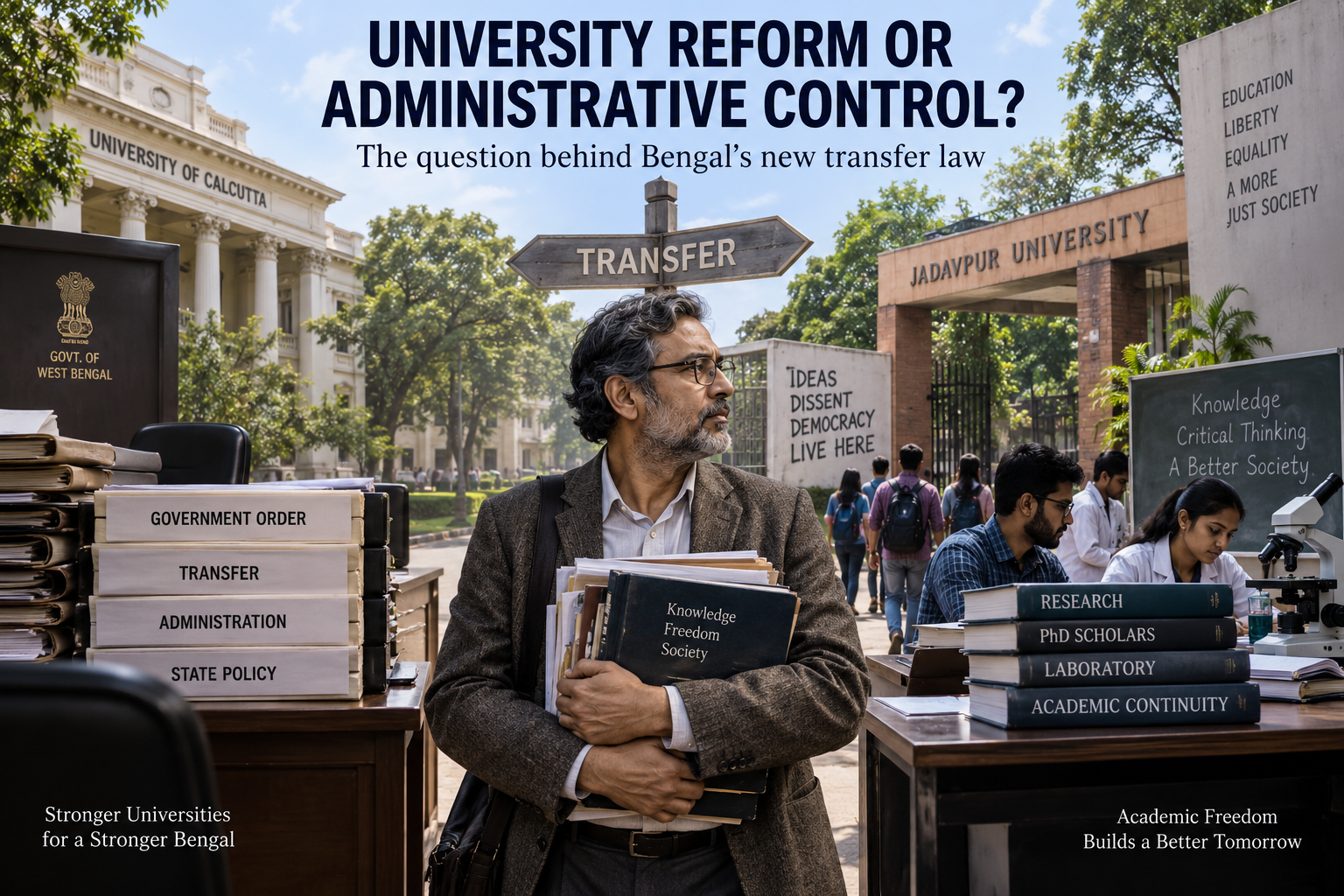
West Bengal's University Transfer Bill: Reform, Centralisation or a Threat to Academic Autonomy?
West Bengal says experienced professors should be transferable to newer universities that need them. That objective is defensible. But giving the government power over where university academics work raises a larger question: can administrative efficiency be pursued without turning academic careers into instruments of political control?
Explain · examine · contextualise
Browse analysis →Analysis
Politics
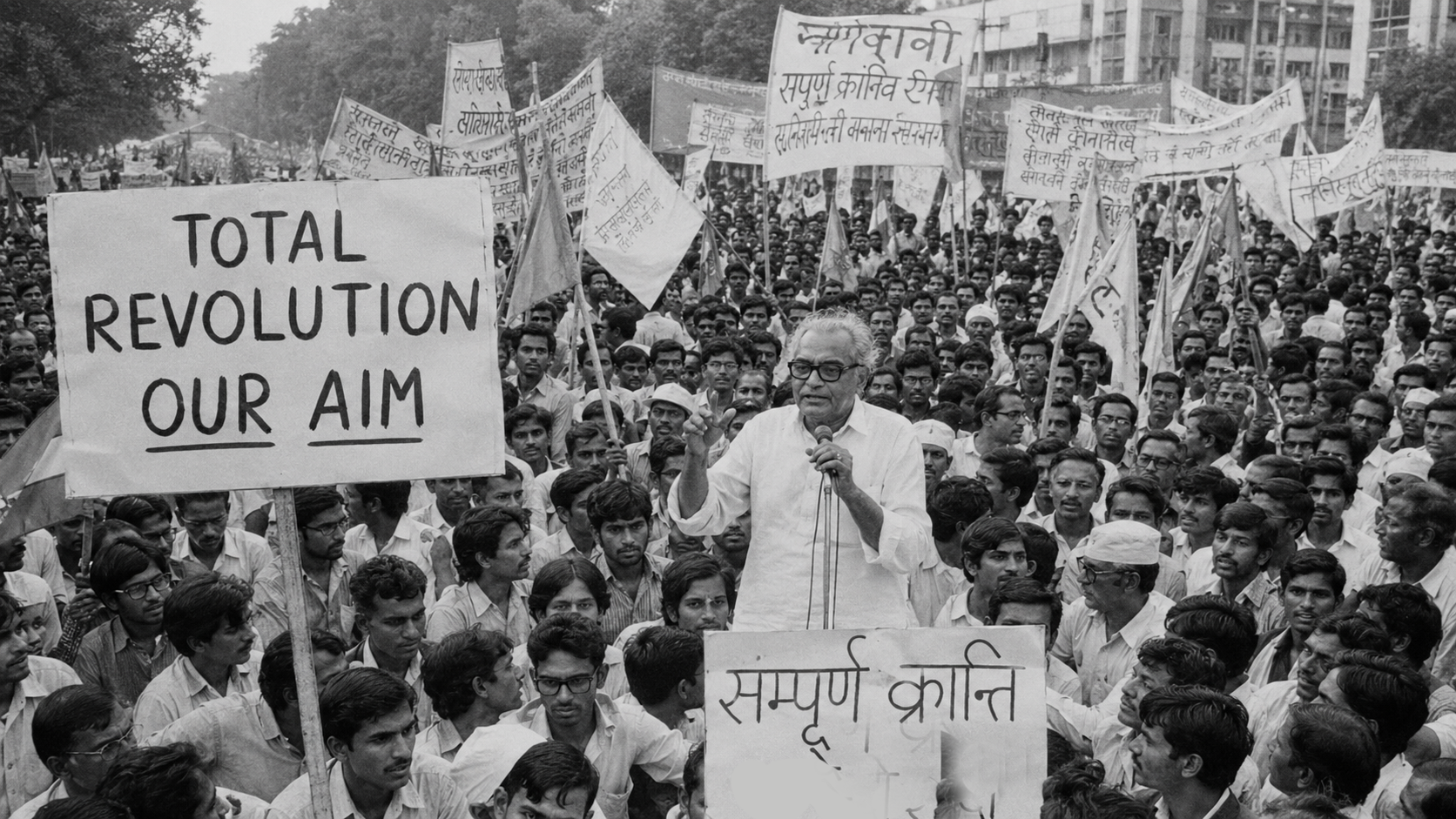
Why We Are No Longer Taught the History of Protest
The BJP often portrays student protests as anti-national and undemocratic. Yet its own political rise was deeply rooted in the student movements of the 1970s, from Gujarat's Nav Nirman Andolan to Jayaprakash Narayan's call for Sampoorna Kranti. This article revisits that overlooked history and examines the striking contrast between the protests once celebrated by the Sangh Parivar and the protests it condemns today.
Defense News
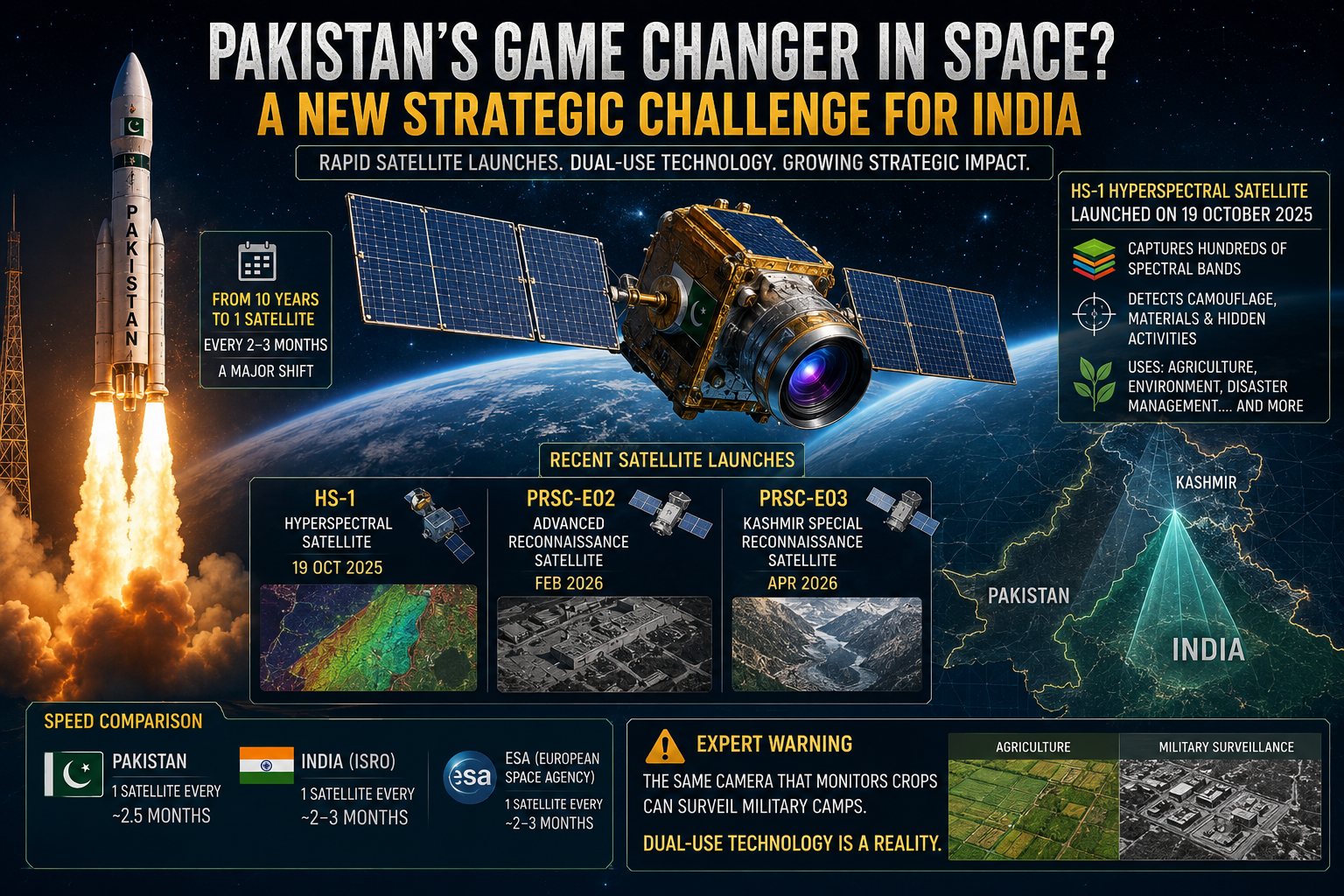
Pakistan's Rapid Satellite Expansion: A New Strategic Challenge for India ?
Pakistan's recent surge in satellite launches, including the hyperspectral HS-1 and the PRSC series, has drawn the attention of defence analysts. Although officially presented as civilian Earth observation missions, experts note that such satellites have significant dual-use potential, making them an increasingly important factor in South Asia's evolving strategic and military balance.

Defense News
Pakistan's New "Hangor" and the Memory of INS Khukri
Pakistan has commissioned a new Hangor class submarine, reviving the name of the vessel that sank INS Khukri in 1971 and claimed the lives of 176 Indian sailors. While India's naval superiority remains unquestioned, the arrival of AIP-equipped submarines, growing Pakistan-Bangladesh defence ties, and delays in India's own conventional submarine modernisation raise important strategic questions for the future of the Bay of Bengal. Written from the perspective of a retired Indian Navy sailor, this article remembers the sacrifice of the men of INS Khukri while examining the changing maritime balance in the region.
Analysis
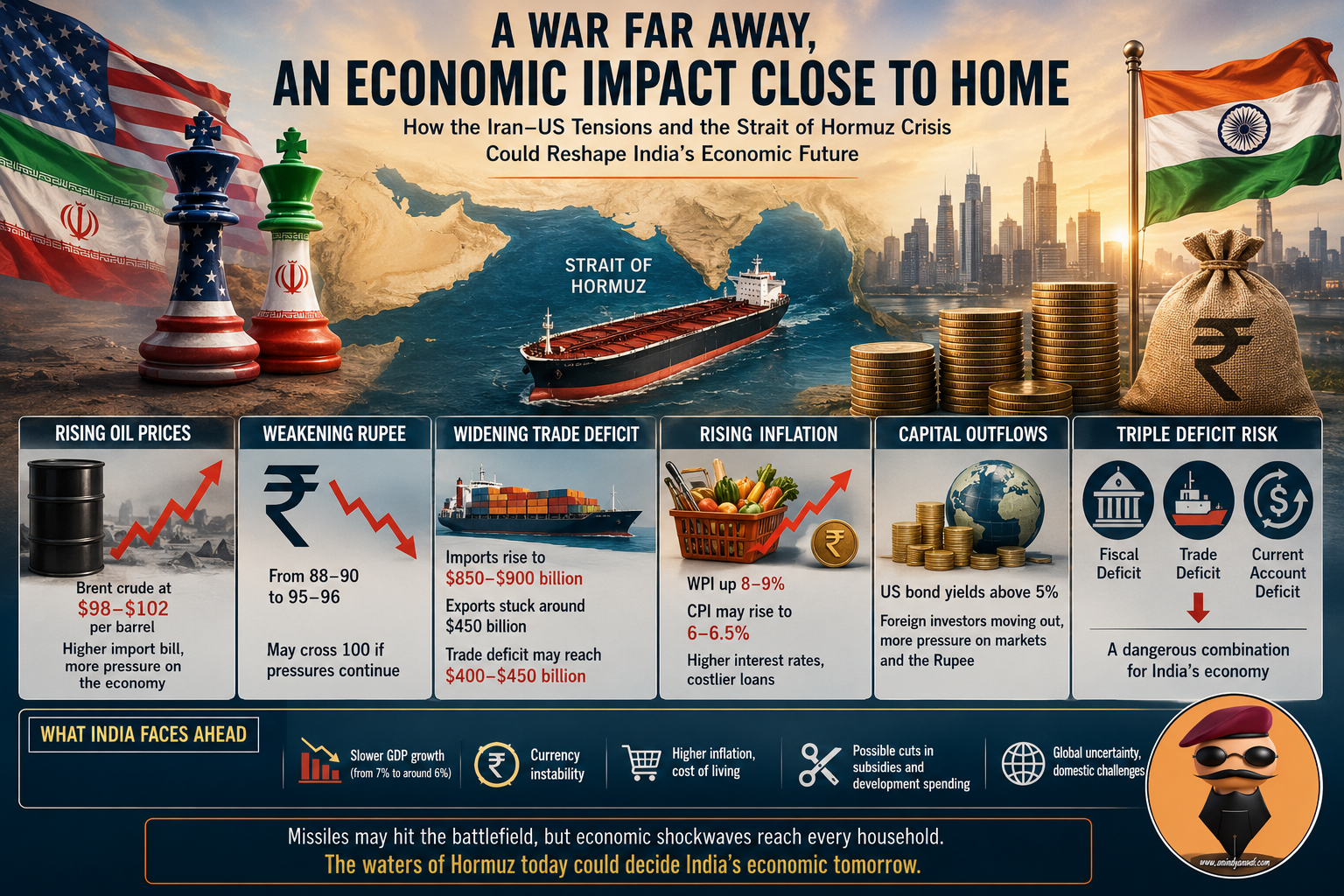
Trump, Iran, and the Economic Shockwave Heading Towards India: What Lies Ahead?
The conflict between Iran and the United States is no longer just a military or geopolitical issue. Its effects are rapidly spreading through global oil markets, trade routes, currencies, and financial systems. As tensions around the Strait of Hormuz continue, India may face one of the biggest economic challenges in recent years. Rising crude oil prices, a weakening Rupee, widening trade deficits, inflationary pressure, capital outflows, and a possible "Triple Deficit Risk" could reshape the country's economic landscape. The battlefield may be thousands of kilometres away, but the economic shockwaves may eventually reach every Indian household.
Argument · commentary · viewpoint
Browse opinion →Opinion
Analysis
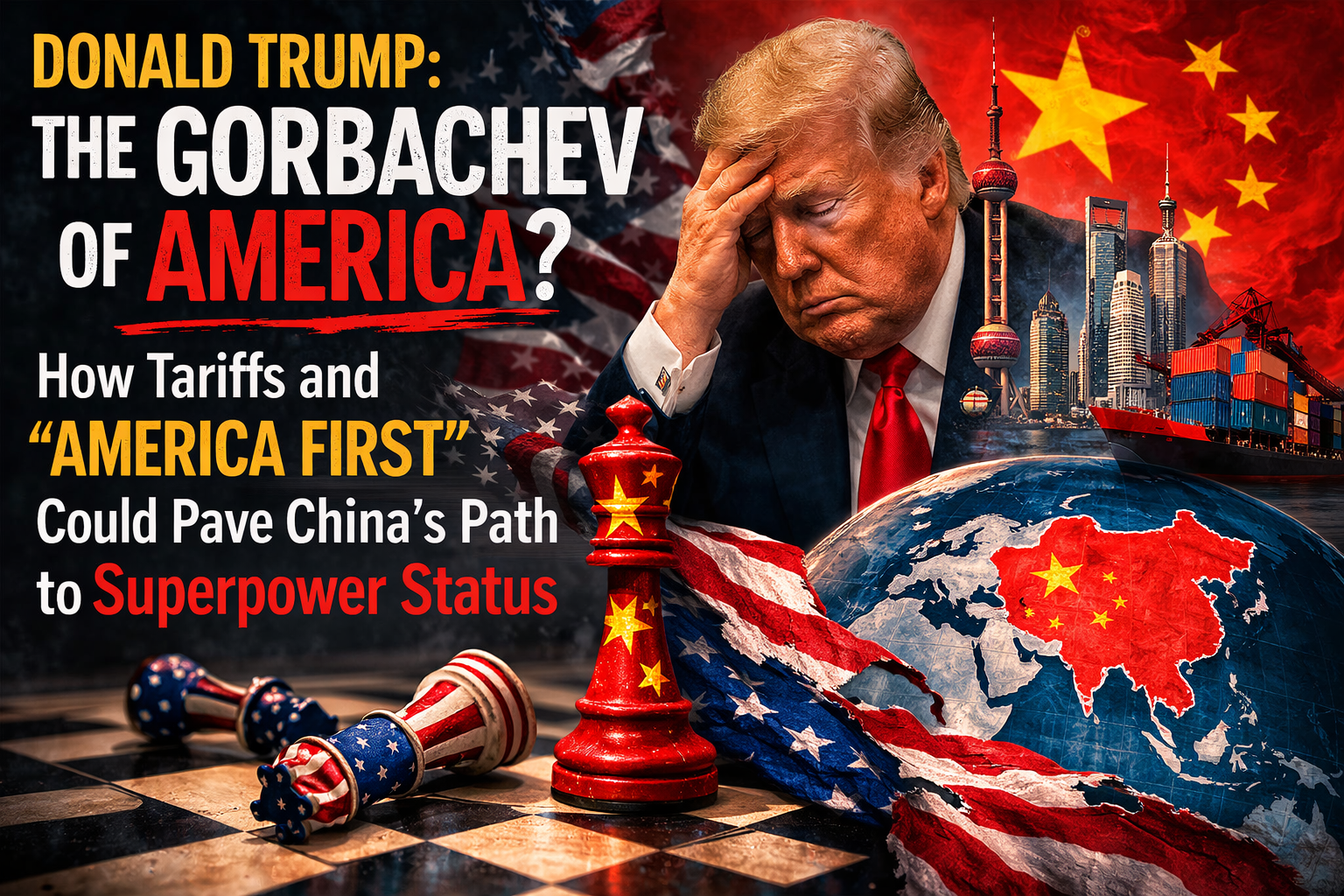
Donald Trump: The Gorbachev of America? How Tariffs and "America First" Could Pave China’s Path to Superpower Status
The collapse of the Soviet Union in 1991 is often attributed to Mikhail Gorbachev’s policies of glasnost (openness) and perestroika (restructuring), which, despite their good intentions, inadvertently accelerated systemic weaknesses. Today, Donald Trump’s economic nationalism—particularly his tariff-driven "America First" agenda—risks triggering a similar unravelling for the United States. While Trump’s policies are framed as protecting American jobs and industries, they function more like an "America Only" strategy that isolates the U.S., destabilises its economy, and empowers rivals like China. Trump’s tariffs harm U.S. citizens, benefit foreign producers, and position China to dominate the 21st-century global order.
Opinion
Restoring the True Spirit of Reservations: Why Muslims and Christians Should Be Excluded from ST and OBC Quotas in India
India's reservation system was designed to uplift Hindu castes burdened by centuries of caste-based discrimination, particularly Scheduled Castes (SC) and Other Backward Classes (OBC). However, the inclusion of Muslims and Christians in ST and OBC quotas defies its purpose. These faiths reject caste, yet their communities claim benefits meant for Hindu tribals and backward castes. This erodes the rights of those for whom reservations were created—Dalits and OBC Hindus, enduring historical stigma. Scrapping these inclusions restores fairness, ensuring quotas serve their original intent: justice for caste-affected Hindus, not a faith-based free-for-all. True equity demands this correction.
Business
Trump’s Economic Bunker Buster Bill Targets India, Russia, and China
The bill’s core is simple yet devastating: any country trading with Russia will face a 500% U.S. tariff. If India imports oil from Russia, every Indian export to the U.S. will be hit with a 500% tax, effectively wiping out India’s exports. China, which imports oil, gas, uranium, and rare earth metals from Russia, will also be affected. When Europe stopped buying from Russia, India stepped in, importing crude oil, refining it, and selling it to Europe, easing their energy crisis. But India’s close ties with Russia are increasingly frustrating the U.S.
Analysis
SIR as a Gateway to Electoral Delays and ONOE
The Special Intensive Revision (SIR) of voter rolls and the One Nation One Election (ONOE) proposal continue to stir controversy. As of July 13, 2025, with Bihar's SIR exercise nearing its July 25 deadline amid legal challenges, discussions have intensified about a potential nationwide rollout. Critics argue this could enable election delays, citing incomplete processes as a pretext to postpone polls in states nearing their terms and advance them in others. Meanwhile, ONOE faces scrutiny for its handling of contingencies like legislator deaths or coalition breakdowns. Adding a layer of intrigue is the speculative narrative that ONOE could serve as a "rehabilitation" mechanism for Prime Minister Narendra Modi, potentially paving the way for his transition to the presidency amid age-related retirement debates.
Desk
More from Analysis →Analysis
22 Lakh Deleted Bengal Voters Appealed. The Democratic Question Is What Happened Before They Could Vote
The Election Commission has told the Supreme Court that 22.21 lakh of the 27.16 lakh West Bengal electors deleted through SIR adjudication have appealed for restoration. The figure does not prove that the deletions were wrongful, but the huge backlog and the timing of the appellate process raise an important question about electoral due process: what happens when a voter's eligibility is restored only after the election is over?
May 26, 2026
Trump, Iran, and the Economic Shockwave Heading Towards India: What Lies Ahead?
The conflict between Iran and the United States is no longer just a military or geopolitical issue. Its effects are rapidly spreading through global oil markets, trade routes, currencies, and financial systems. As tensions around the Strait of Hormuz continue, India may face one of the biggest economic challenges in recent years. Rising crude oil prices, a weakening Rupee, widening trade deficits, inflationary pressure, capital outflows, and a possible "Triple Deficit Risk" could reshape the country's economic landscape. The battlefield may be thousands of kilometres away, but the economic shockwaves may eventually reach every Indian household.
Mar 22, 2026
The Island No One Talks About - And Why Iran Just Reset the Threat Perception for Many Parts of the World
Iran fired two ballistic missiles at Diego Garcia this week, the remote but heavily fortified American military base in the Indian Ocean. Both failed to strike their target. But the real shock was not the attack itself — it was the distance. Tehran had publicly claimed a maximum missile range of 2,000 kilometres. Diego Garcia sits 4,000 kilometres away. In a single strike, Iran quietly rewrote the threat map for every military base, energy hub, and allied installation across the Gulf, South Asia, and Europe. The warheads missed. The warning did not.
Mar 22, 2026
How Iran Is Defeating the American Financial Empire
Every single month, the New York Federal Reserve loads billions of dollars in crisp, physical hundred-dollar bills onto military cargo planes and flies them across the world to Baghdad. Washington calls it economic assistance. Tehran calls it a delivery service. Meanwhile, deep inside Iran, hundreds of thousands of computer servers run twenty-four hours a day, burning gas that no Western buyer is legally allowed to purchase, converting stranded energy into Bitcoin at a cost of $1,300 per coin and selling it on the global market for sixty or seventy thousand dollars. A fifty-times return. The single most profitable energy arbitrage on planet Earth. The United States built the most sophisticated financial surveillance system in human history. It has sanctioned central banks, blockaded ports, and weaponised the dollar. And yet, the regime it most wants to suffocate is simultaneously mining a sanction-proof digital currency with its own trapped oil and collecting physical American cash through a network of fake invoices at a daily auction in Baghdad. Washington knows. The CIA has tracked it for a decade. But stopping it would collapse Iraq and hand the entire country to Iranian proxies. The empire is not being defeated by missiles. It is being bled to death by Bitcoin miners and fake refrigerator invoices. Read the full analysis below.
Mar 9, 2026
Donald Trump: The Gorbachev of America? How Tariffs and "America First" Could Pave China’s Path to Superpower Status
The collapse of the Soviet Union in 1991 is often attributed to Mikhail Gorbachev’s policies of glasnost (openness) and perestroika (restructuring), which, despite their good intentions, inadvertently accelerated systemic weaknesses. Today, Donald Trump’s economic nationalism—particularly his tariff-driven "America First" agenda—risks triggering a similar unravelling for the United States. While Trump’s policies are framed as protecting American jobs and industries, they function more like an "America Only" strategy that isolates the U.S., destabilises its economy, and empowers rivals like China. Trump’s tariffs harm U.S. citizens, benefit foreign producers, and position China to dominate the 21st-century global order.
Desk
More from National →National
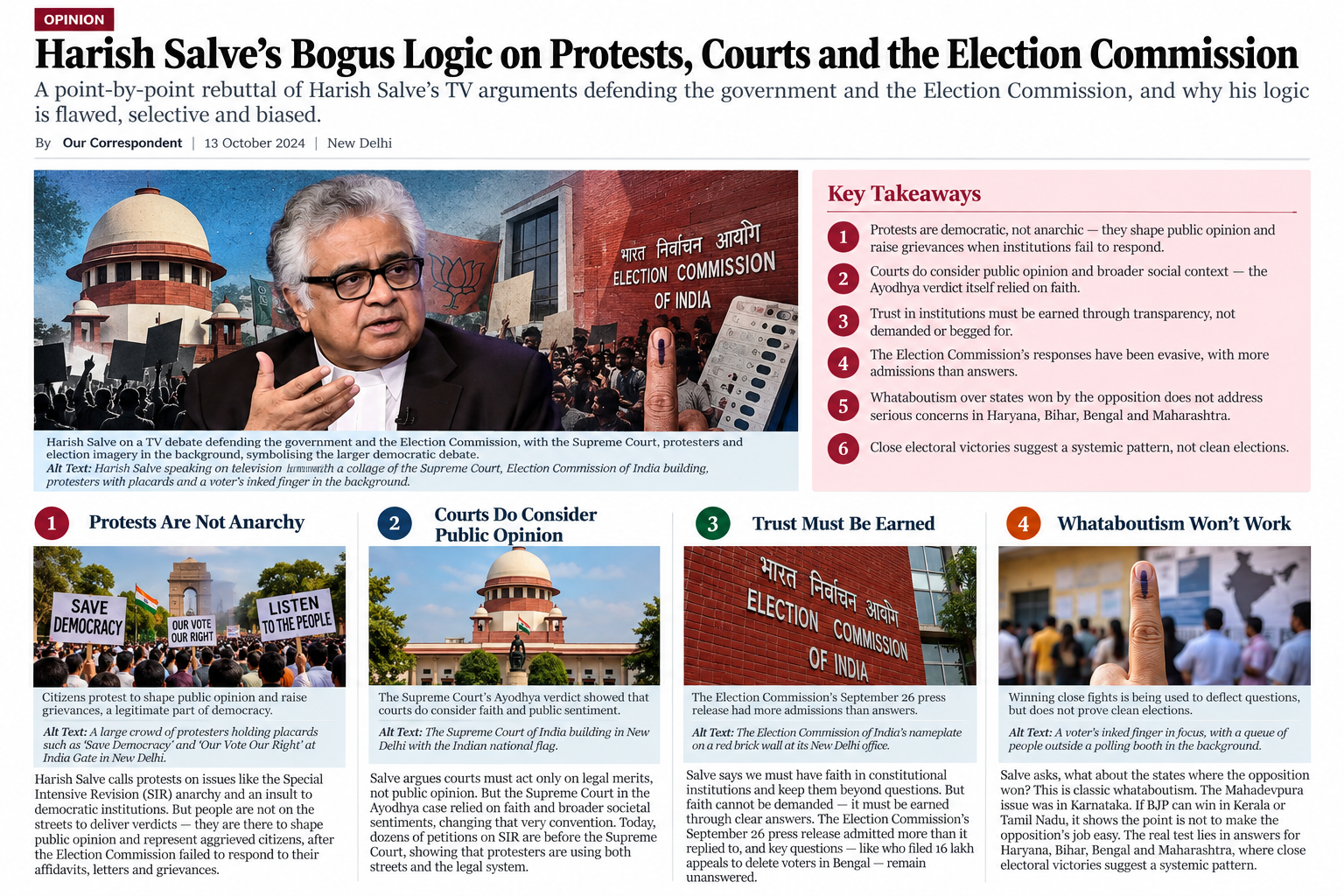
Harish Salve Is Right About the Rule of Law. He Is Wrong If He Thinks Democracy Must Stay Off the Streets.
Harish Salve's defence of the Election Commission, the constitutional legitimacy of public protest, and the difference between institutional independence and institutional immunity. The central argument of this article is that a democracy does not have to choose between constitutional institutions and public dissent. It needs both. The legal merits of an electoral dispute belong before the courts, but citizens retain the right to organise, question institutions, expose inconsistencies and demand accountability. There is an important evidentiary distinction concerning Mr Salve. His televised remarks and the structure of his arguments can be scrutinised directly. A pattern of selective reasoning can support criticism of his apparent political alignment in this controversy. It does not, by itself, establish a financial inducement, secret arrangement or dishonest personal motive.
Sep 26, 2026
Who Is Gyanesh Kumar Answerable To? The Gen Z Voter Question the Election Commission Cannot Evade
The Election Commission's annual Special Summary Revision has not resumed after the 2024 cycle, despite reports that Election Commissioners Sukhbir Singh Sandhu and Vivek Joshi wanted it restored. With young voters potentially affected, Chief Election Commissioner Gyanesh Kumar owes the country a transparent explanation.
Sep 23, 2026
Fourteen Objections in Ten Months: What the Reported Rift Inside the Election Commission Raises About India’s Electoral Rolls
Two of the Election Commission’s three members reportedly raised 14 objections in ten months over voter registration, deletions, Form 6, electoral-roll software and decisions taken without their knowledge. The Election Commission says all final decisions were unanimous. The key question is what happened between the internal objection and final approval.
Sep 21, 2026
Is the IAS Still Designed for the India It Now Governs?
India's IAS was built around the idea of the brilliant generalist administrator. But governing a technologically complex modern economy increasingly demands deep expertise, institutional memory and continuity. The question is not whether India needs the IAS, but what the IAS must become.
May 4, 2025
K V Subramanian Sacked from IMF for Misconduct
Desk
More from Business →Business
UPI Was Built as Digital Cash. Turning It Into a Toll Road Risks Breaking the Model
UPI became successful because it made digital payments simple, instant and effectively free for ordinary users and merchants. The proposed MDR on higher-value merchant transactions changes that equation. This article examines why comparing UPI with credit cards is misleading, how merchant charges can eventually reach consumers, why cash transactions may rise again, and whether introducing an "expenditure toll" makes sense when banks, RBI and NPCI remain highly profitable overall.
Sep 13, 2025
Trump’s Economic Bunker Buster Bill Targets India, Russia, and China
The bill’s core is simple yet devastating: any country trading with Russia will face a 500% U.S. tariff. If India imports oil from Russia, every Indian export to the U.S. will be hit with a 500% tax, effectively wiping out India’s exports. China, which imports oil, gas, uranium, and rare earth metals from Russia, will also be affected. When Europe stopped buying from Russia, India stepped in, importing crude oil, refining it, and selling it to Europe, easing their energy crisis. But India’s close ties with Russia are increasingly frustrating the U.S.
Apr 21, 2025
India’s Corruption Scandals: A Global Spotlight on Systemic Issues
Oct 7, 2021
India Sells Two Pakistans in a Year
India has exported goods worth more than $100 billion in last quarter, that is 720,000 crores in Indian Rupees. In the last six months, India has exported goods worth so much as the economy of the whole of Pakistan. That means in one year India sells two Pakistans. This will increase in the coming days. India would sell 3-4 Pakistans in a year very soon.
Sep 23, 2021
Evergrande: The Debt Contagion May Spread Globally
Deep reads
Browse long reads →Long Reads
18min
Politics
How Modi and Gyanesh Kumar Undermined India's Election Commission
From Ashok Lavasa's dissent and the controversial appointment of election commissioners to voter-roll deletions, secretive decisions and the reported revolt within the Election Commission, the story of how India's electoral watchdog has been losing public trust.
21min
National
Harish Salve Is Right About the Rule of Law. He Is Wrong If He Thinks Democracy Must Stay Off the Streets.
Harish Salve's defence of the Election Commission, the constitutional legitimacy of public protest, and the difference between institutional independence and institutional immunity. The central argument of this article is that a democracy does not have to choose between constitutional institutions and public dissent. It needs both. The legal merits of an electoral dispute belong before the courts, but citizens retain the right to organise, question institutions, expose inconsistencies and demand accountability. There is an important evidentiary distinction concerning Mr Salve. His televised remarks and the structure of his arguments can be scrutinised directly. A pattern of selective reasoning can support criticism of his apparent political alignment in this controversy. It does not, by itself, establish a financial inducement, secret arrangement or dishonest personal motive.
17min
National
Fourteen Objections in Ten Months: What the Reported Rift Inside the Election Commission Raises About India’s Electoral Rolls
Two of the Election Commission’s three members reportedly raised 14 objections in ten months over voter registration, deletions, Form 6, electoral-roll software and decisions taken without their knowledge. The Election Commission says all final decisions were unanimous. The key question is what happened between the internal objection and final approval.
15min
Forgotten Heroes
The Fingerprints That Identified the World, and the Indian Names History Nearly Erased
Qazi Azizul Haque and Hem Chandra Bose helped create the fingerprint classification system that transformed criminal identification worldwide. Yet the system carried the name of their British superior. Haque had to petition the colonial government for recognition, while Bose was critically ill and in financial distress when his ₹5,000 honorarium was still being processed. They built a system to ensure identities could never be lost. History nearly lost theirs.