01
Analysis
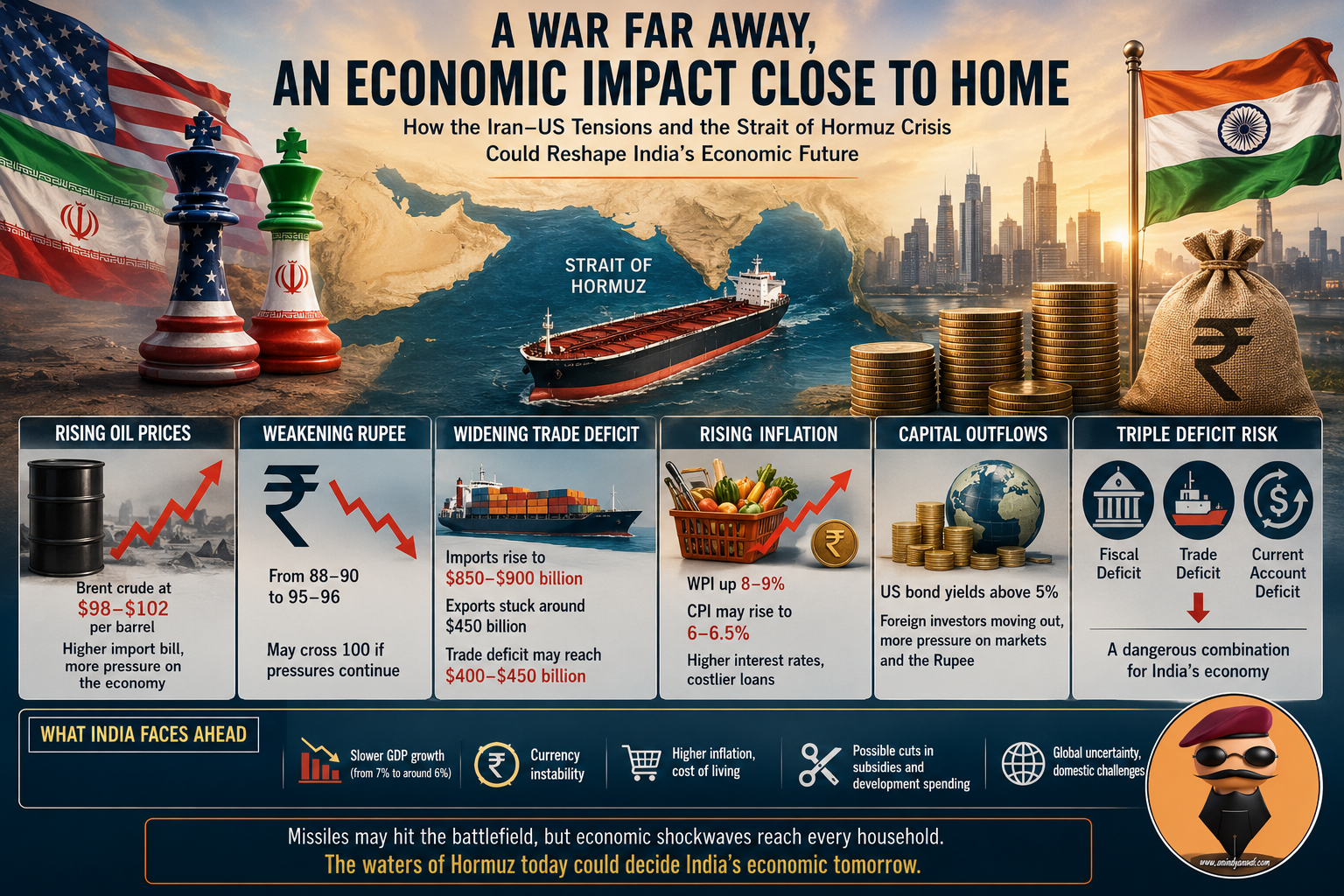
The conflict between Iran and the United States is no longer just a military or geopolitical issue. Its effects are rapidly spreading through global oil markets, trade routes, currencies, and financial systems. As tensions around the Strait of Hormuz continue, India may face one of the biggest economic challenges in recent years. Rising crude oil prices, a weakening Rupee, widening trade deficits, inflationary pressure, capital outflows, and a possible "Triple Deficit Risk" could reshape the country's economic landscape. The battlefield may be thousands of kilometres away, but the economic shockwaves may eventually reach every Indian household.
May 26, 20265 min read
02
Analysis
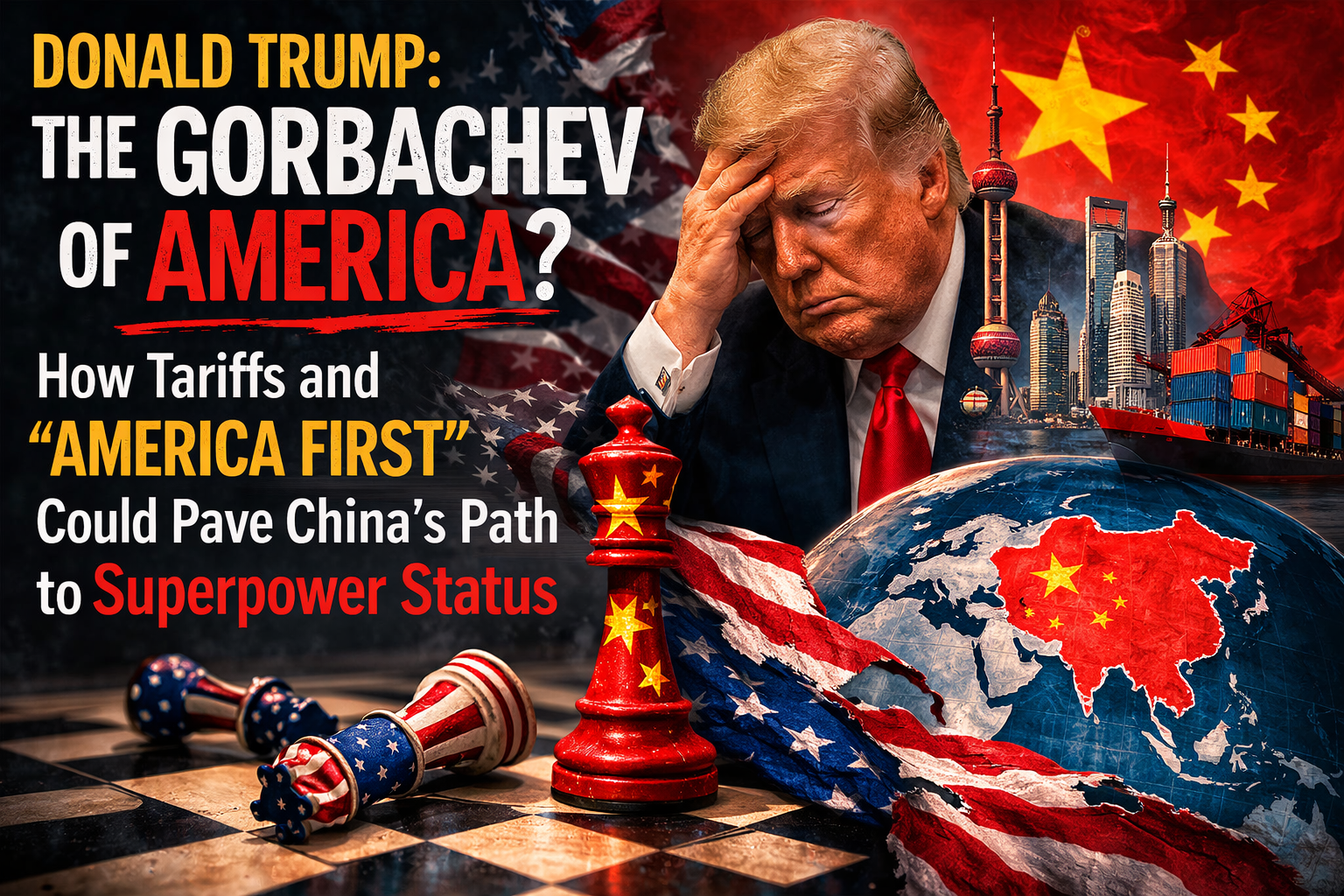
The collapse of the Soviet Union in 1991 is often attributed to Mikhail Gorbachev’s policies of glasnost (openness) and perestroika (restructuring), which, despite their good intentions, inadvertently accelerated systemic weaknesses. Today, Donald Trump’s economic nationalism—particularly his tariff-driven "America First" agenda—risks triggering a similar unravelling for the United States. While Trump’s policies are framed as protecting American jobs and industries, they function more like an "America Only" strategy that isolates the U.S., destabilises its economy, and empowers rivals like China. Trump’s tariffs harm U.S. citizens, benefit foreign producers, and position China to dominate the 21st-century global order.
Mar 9, 20265 min read
04
Analysis
European Commission President Ursula von der Leyen met with Indian Prime Minister Narendra Modi in New Delhi last week, signaling a new phase in Brussels’ approach to sanctions and trade amid rising U.S. tariff threats.
Feb 28, 20255 min read